

Learn how we are working to transform how we use and produce energy.
C-PACE Embodied Carbon Policy Primer
Harmonized, flexible, data-backed pathways for including embodied carbon in Commercial Property Assessed Clean Energy financing programs
Why we share this work for free
RMI is an independent nonprofit working to accelerate the clean energy transition. We publish research like this to inform decision-makers and drive real-world impact.
Our work is supported by philanthropy as well as partnerships, including fee-for-service engagements. This support makes it possible for us to share our independent insights for free.
If you find this work valuable, you can support it anytime.
Get more insights like this
Stay up to date with the latest research, analysis, and tools from RMI by opting in to receive occasional emails below. You’ll get new reports, event invitations, and practical insights to help us all accelerate the clean energy transition.
Loading form...
Your download should start automatically. If it doesn’t, click the download button below.
This work is made possible by philanthropy
RMI is a nonprofit supported by donors and partners. Philanthropy enables us to produce independent research and make resources like this freely available.
If you find this report valuable, please consider supporting our work. You can also explore how we partner with organizations to drive impact.
Jump to Section
Embodied carbon, the greenhouse gas emissions associated with building materials and construction, can represent as much as half of a building’s total climate impact. However, most C-PACE programs finance only operational energy measures, leaving a major decarbonization opportunity untapped.
RMI’s C-PACE Embodied Carbon Policy Primer, developed in collaboration with RMI’s C-PACE Embodied Carbon 2025 Cohort, provides ready-to-use, evidence-backed template language and implementation guidance to help C-PACE administrators integrate embodied carbon into C-PACE enabling statutes and program guidelines. The primer is also a valuable resource for commercial real estate developers seeking to incorporate embodied carbon improvements into their next C-PACE project, empowering them to access more inexpensive capital across a greater proportion of their total development costs.
What this primer delivers
- Model statutory and program-guideline language that administrators and policymakers can adapt to their local programs.
- Harmonized pathways that align with existing mandatory embodied carbon code measures and standard C-PACE underwriting processes while responding to local conditions unique to each program and minimizing administrative burdens.
- Data-backed global warming potential (GWP) threshold values for both materials and whole-buildings, with guidance on how to adapt these values to local markets.
- Clear guidance for commercial real estate deal teams on how embodied carbon analyses and documentation can be integrated into C-PACE technical submittals.
Who it’s for
- C-PACE administrators and policymakers updating statutes and program guidelines to make embodied carbon eligible for C-PACE financing.
- Capital providers and developers who want to stay abreast of upcoming opportunities and rules for C-PACE financing of embodied carbon measures.
- Designers, consultants, and software providers developing products and embodied carbon analysis services supporting technical submittal packages for C-PACE applications.
Why it matters
With nearly $10 billion dollars invested, C-PACE is a proven tool for mobilizing private capital for building decarbonization at scale. By expanding program rules to make embodied carbon eligible, administrators can unlock deep decarbonization in commercial real estate while driving even more robust deal volume in C-PACE programs.
RMI is grateful to the attendees of the RMI C-PACE Embodied Carbon Cohort webinar series and the following individuals for their generous feedback and input on this primer: Brad Benke, Rachelle Habchi, Aurora Jensen, Meghan Lewis, Michele Pitale, and Brook Waldman.
Download the primer for model language, implementation pathways, and practical guidance for bringing embodied carbon into your next C-PACE program or project.
Authors

Aurimas Bukauskas
ManagerRelated Insights
The Opportunity for Heat Pumps to Put Downward Pressure on Electricity Rates
Building Smarter, More Efficient Air Conditioners for Real World Conditions

How Heat Pumps Reduce Energy Bills and Air Pollution in the San Francisco Bay Area
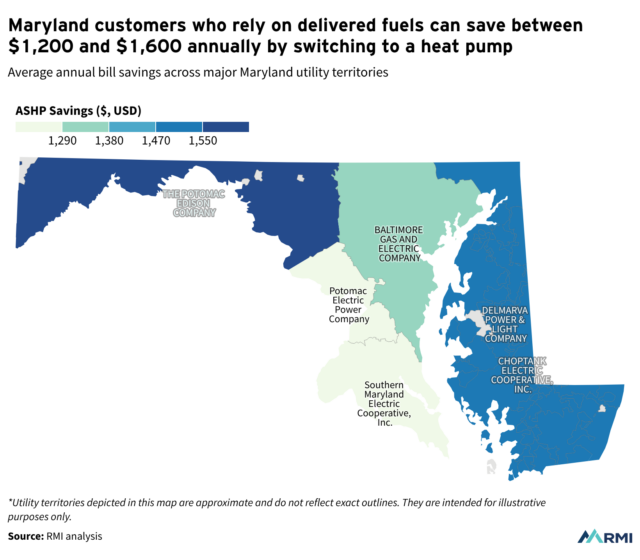
Delivered Fuel Customers in Maryland See Strong Energy Bill Savings in a Switch to Heat Pumps
Help build the clean energy future. Donate today.
Independent research. Real-world solutions. Supported by donors.
RMI can pursue the highest-impact climate and energy solutions because we’re supported by people who believe change is possible. Every gift helps advance the work needed to make clean energy the default choice worldwide.
For other ways to give to RMI, including checks or gifts of stock, please visit Other Ways to Give.
