

Learn how we are working to transform how we use and produce energy.
Breaking Barriers in Carbon Dioxide Removal with Electrochemistry
Why we share this work for free
RMI is an independent nonprofit working to accelerate the clean energy transition. We publish research like this to inform decision-makers and drive real-world impact.
Our work is supported by philanthropy as well as partnerships, including fee-for-service engagements. This support makes it possible for us to share our independent insights for free.
If you find this work valuable, you can support it anytime.
Get more insights like this
Stay up to date with the latest research, analysis, and tools from RMI by opting in to receive occasional emails below. You’ll get new reports, event invitations, and practical insights to help us all accelerate the clean energy transition.
Loading form...
Your download should start automatically. If it doesn’t, click the download button below.
This work is made possible by philanthropy
RMI is a nonprofit supported by donors and partners. Philanthropy enables us to produce independent research and make resources like this freely available.
If you find this report valuable, please consider supporting our work. You can also explore how we partner with organizations to drive impact.
Jump to Section
A broad portfolio of carbon dioxide removal (CDR) approaches is essential to meet the unique needs of various geographies and industries. Within this portfolio, synthetic carbon dioxide removal (sCDR) approaches — those that rely on engineered systems powered by low-carbon energy to capture CO2, such as direct air capture — offer advantages like a smaller physical footprint and permanence of carbon removed. However, they typically require the most energy and are more expensive when compared to other CDR methods. Electrochemistry stands poised to transform the field of CDR by significantly reducing the energy requirements, and therefore costs, of prominent sCDR pathways.
“Breaking Barriers in Carbon Dioxide Removal with Electrochemistry” characterizes the state of electrochemistry-based CDR approaches, delves into the key benefits of leveraging electrochemistry in CDR, and provides guidance for evaluating innovations in the space. In doing so, this report cuts through the complexity associated with electrochemistry-based CDR approaches, lays out the trade-offs of different approaches, and provides practical guidance for due diligence.
The next few years will be pivotal for electrochemistry-based CDR approaches. With funding lagging behind what will be necessary to test and scale these solutions, we need research and tools that unlock better understanding and evaluation of critical innovations. This report is the first of such tools, providing an independent review of technologies’ effectiveness and scalability.

Related Insights

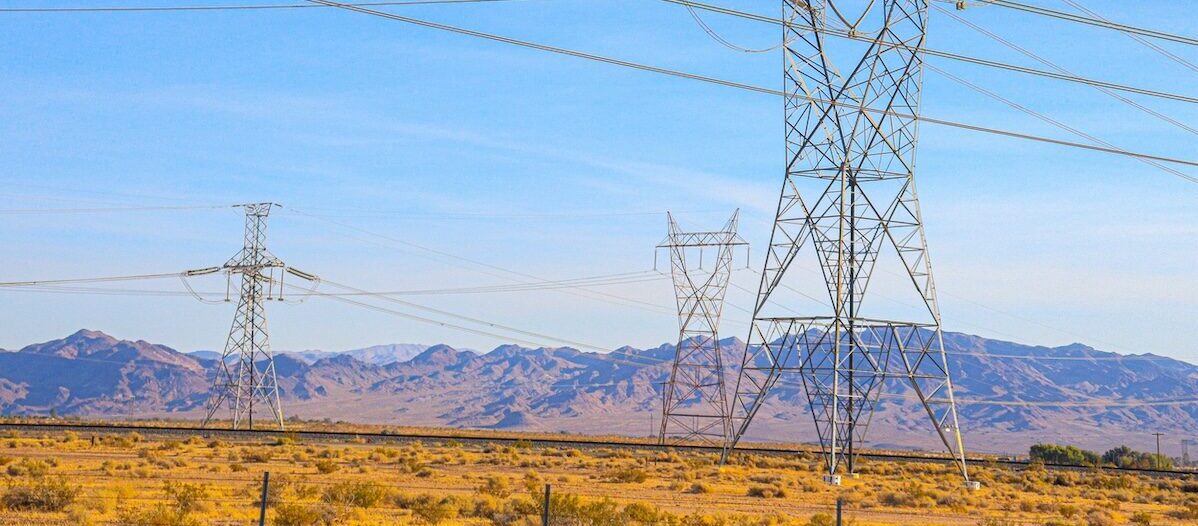
Tracking WestTEC: Where 100+ Transmission Projects Stand and What Comes Next

Help build the clean energy future. Donate today.
Independent research. Real-world solutions. Supported by donors.
RMI can pursue the highest-impact climate and energy solutions because we’re supported by people who believe change is possible. Every gift helps advance the work needed to make clean energy the default choice worldwide.
For other ways to give to RMI, including checks or gifts of stock, please visit Other Ways to Give.
