

Learn how we are working to transform how we use and produce energy.
Supporting Discoms in Implementing Amendments to the Electricity Act
Why we share this work for free
RMI is an independent nonprofit working to accelerate the clean energy transition. We publish research like this to inform decision-makers and drive real-world impact.
Our work is supported by philanthropy as well as partnerships, including fee-for-service engagements. This support makes it possible for us to share our independent insights for free.
If you find this work valuable, you can support it anytime.
Get more insights like this
Stay up to date with the latest research, analysis, and tools from RMI by opting in to receive occasional emails below. You’ll get new reports, event invitations, and practical insights to help us all accelerate the clean energy transition.
Loading form...
Your download should start automatically. If it doesn’t, click the download button below.
This work is made possible by philanthropy
RMI is a nonprofit supported by donors and partners. Philanthropy enables us to produce independent research and make resources like this freely available.
If you find this report valuable, please consider supporting our work. You can also explore how we partner with organizations to drive impact.
Jump to Section
Financially viable electricity distribution companies (DISCOMs) are essential to the future stability of India’s economy. However, many DISCOMs are currently suffering from several financial and infrastructure challenges. These challenges had persisted before the COVID-19 pandemic and many have been exacerbated by the pandemic.
How the sector rebounds will have far-reaching implications for many stakeholders. The new enabling conditions such as the liquidity boost, amendments to the Electricity Act, and privatization of DISCOMs in the Union Territories will impact progress towards the clean energy transition. Ensuring that all stakeholders are aligned and prepared to support DISCOMs’ needs over the coming months and years is essential to a quick sector turnaround.
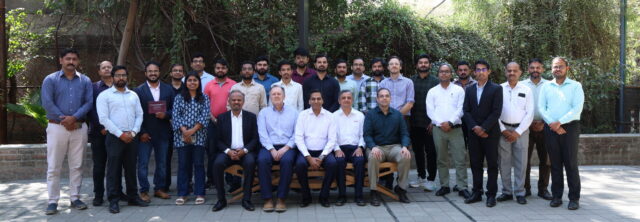
Within this context, on 11 June, 2020, RMI India, Rocky Mountain Institute, and NITI Aayog convened 16 leading civil society organizations (CSOs) from across India to identify new ways to collaborate in supporting DISCOMs. The workshop was designed to create alignment and increase coordination and dialogue among this stakeholder group.
This was the first workshop as part of the Discom Transformation Platform hosted by NITI Aayog, RMI India, and Rocky Mountain Institute. The platform operates as a virtual information hub to host and organize the diverse set of projects, funders, schemes, and key actors engaging in decarbonization across India. It also serves as a physical convening mechanism to assemble the stakeholder ecosystem to address critical institutional, regulatory, business, and technical barriers in a more coordinated way.
This report offers a reflection of the discussions that took place on the e-workshop held on 11 June and a summary of the prioritized opportunities for CSOs and think tanks to help DISCOMs navigate the recent developments. It details the opportunities, including key insights and lessons learned, in order to leverage the complementary ongoing and new efforts across civil society and the think tank community.

Related Insights
India’s Used EV Battery Market Needs Trust. Battery Aadhaar Can Help.
Help build the clean energy future. Donate today.
Independent research. Real-world solutions. Supported by donors.
RMI can pursue the highest-impact climate and energy solutions because we’re supported by people who believe change is possible. Every gift helps advance the work needed to make clean energy the default choice worldwide.
For other ways to give to RMI, including checks or gifts of stock, please visit Other Ways to Give.