

Learn how we are working to transform how we use and produce energy.
Creating a Profitable Balance
Capturing the $110 Billion Africa Power-Sector Opportunity with Planning
Why we share this work for free
RMI is an independent nonprofit working to accelerate the clean energy transition. We publish research like this to inform decision-makers and drive real-world impact.
Our work is supported by philanthropy as well as partnerships, including fee-for-service engagements. This support makes it possible for us to share our independent insights for free.
If you find this work valuable, you can support it anytime.
Get more insights like this
Stay up to date with the latest research, analysis, and tools from RMI by opting in to receive occasional emails below. You’ll get new reports, event invitations, and practical insights to help us all accelerate the clean energy transition.
Loading form...
Your download should start automatically. If it doesn’t, click the download button below.
This work is made possible by philanthropy
RMI is a nonprofit supported by donors and partners. Philanthropy enables us to produce independent research and make resources like this freely available.
If you find this report valuable, please consider supporting our work. You can also explore how we partner with organizations to drive impact.
Jump to Section
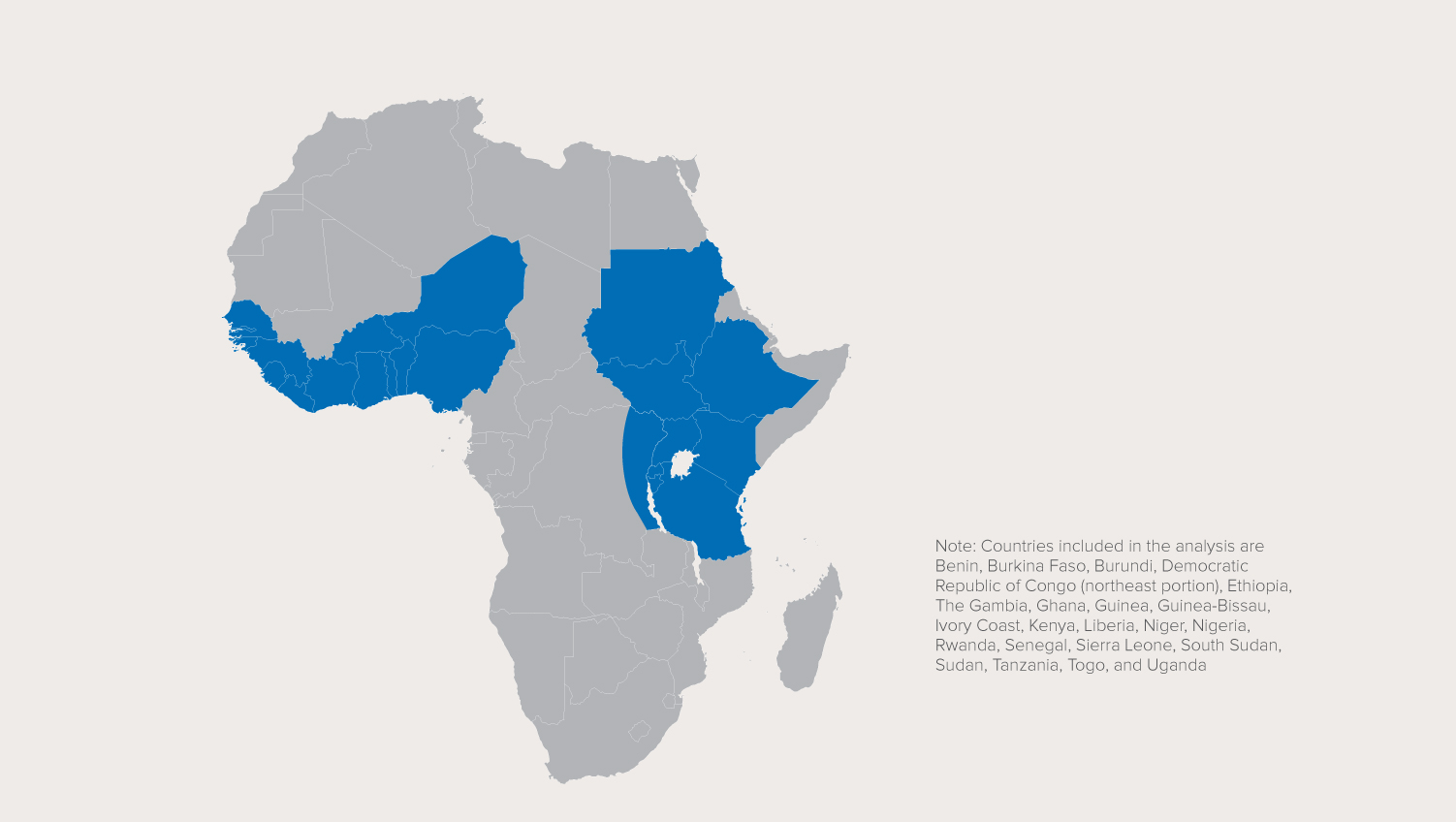
More than 600 million people across sub-Saharan Africa lack access to reliable electricity, creating significant cost for homes, businesses, and utilities. Understandably, this has translated into aggressive national installed capacity targets, with nations across East and West Africa aiming for increases of between 1.3 and eight times by 2020.
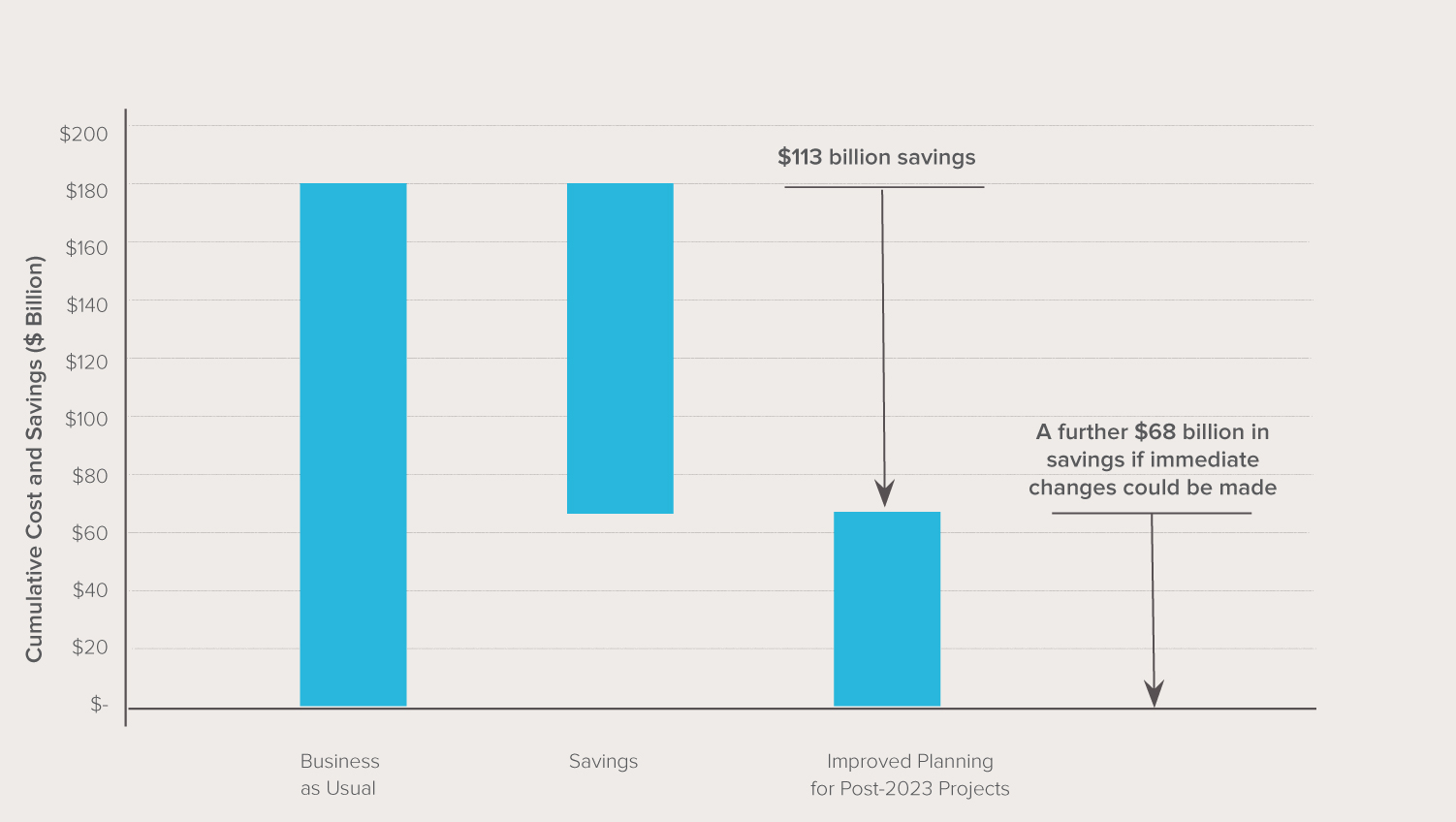
Our analysis of only those projects very likely to be completed by 2023 suggests that the cost of capacity imbalance will exceed $180 billion, or more than two-and-a-half times the 2016 gross domestic product of Kenya.
Fortunately, there is a simple solution that reduces costs, frees up capital for other urgent needs, makes electricity more affordable, and ensures continued strong investment in the region. Taking a plan-based investment approach in the power sector will save more than $110 billion across East and West African nations if planned investments are changed from 2023 on. If more immediate action were taken, the value of planned-based investments would rise by an additional $68 billion to over $180 billion.


Related Insights
Beyond the Checkbox: Gender action plans that work in Africa’s minigrid sector

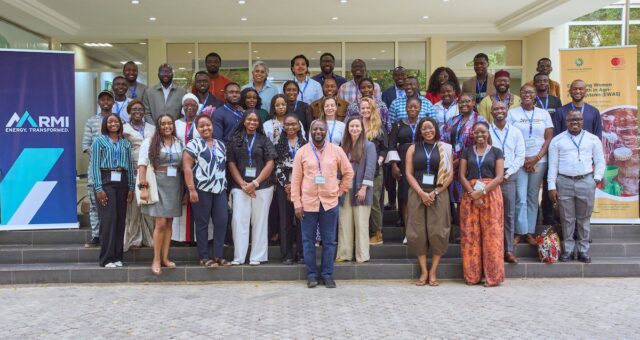
Bringing Clean Energy Opportunities to Women and Youth in Nigerian Agriculture
Help build the clean energy future. Donate today.
Independent research. Real-world solutions. Supported by donors.
RMI can pursue the highest-impact climate and energy solutions because we’re supported by people who believe change is possible. Every gift helps advance the work needed to make clean energy the default choice worldwide.
For other ways to give to RMI, including checks or gifts of stock, please visit Other Ways to Give.
