

Learn how we are working to transform how we use and produce energy.
Pulling the Levers on Existing Buildings: A Simple Method for Calibrating Hourly Energy Models
Why we share this work for free
RMI is an independent nonprofit working to accelerate the clean energy transition. We publish research like this to inform decision-makers and drive real-world impact.
Our work is supported by philanthropy as well as partnerships, including fee-for-service engagements. This support makes it possible for us to share our independent insights for free.
If you find this work valuable, you can support it anytime.
Get more insights like this
Stay up to date with the latest research, analysis, and tools from RMI by opting in to receive occasional emails below. You’ll get new reports, event invitations, and practical insights to help us all accelerate the clean energy transition.
Loading form...
Your download should start automatically. If it doesn’t, click the download button below.
This work is made possible by philanthropy
RMI is a nonprofit supported by donors and partners. Philanthropy enables us to produce independent research and make resources like this freely available.
If you find this report valuable, please consider supporting our work. You can also explore how we partner with organizations to drive impact.
Jump to Section
Comprehensive building retrofits require an investment grade audit in conjunction with a calibrated hourly energy model. Even with the most thorough audit processes, uncertainty still remains when identifying and modeling building parameters. This uncertainty propagates throughout the final calibrated model and affects the quality of the energy saving estimates. This paper, geared towards the typical energy analyst, provides a step-by-step process for achieving more reliable results by calibrating an energy model based on actual utility data. This paper presents the following: a list of essential pre-audit activities, including a robust energy audit checklist containing crucial information for accurate energy models; a process for calibrating an energy model to actual utility data; and, a summary of statistical methods to evaluate the strength of the calibration. This step-by-step process provides a user-friendly reference for energy modelers to create accurately calibrated energy models with minimal time investment.This article or paper was published in ASHRAE Transactions, 2010, vol 116, part 2. Copyright 2010 American Society of Heating, Refrigerating and Air-Conditioning Engineers, Inc. Reprinted by permission at www.rmi.org. This article may not be copied and/or distributed electronically or in paper form without permission of ASHRAE. For more information about ASHRAE Transactions, visit www.ashrae.org.
Authors

Kendra Tupper
Related Insights

The Opportunity for Heat Pumps to Put Downward Pressure on Electricity Rates
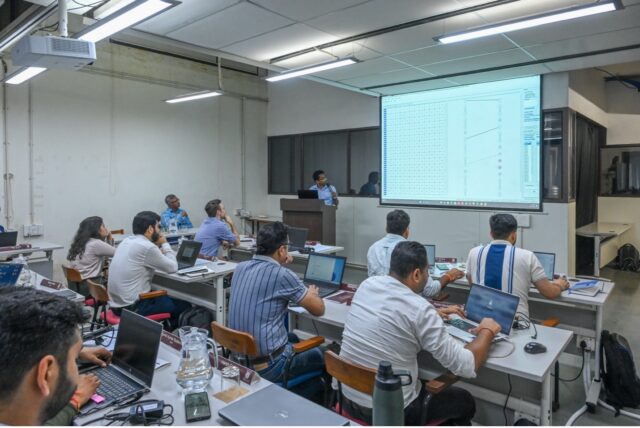
Building Smarter, More Efficient Air Conditioners for Real World Conditions

How Heat Pumps Reduce Energy Bills and Air Pollution in the San Francisco Bay Area
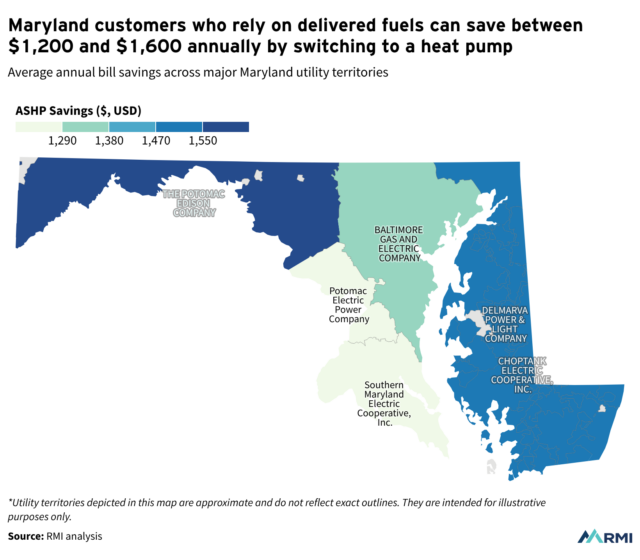
Delivered Fuel Customers in Maryland See Strong Energy Bill Savings in a Switch to Heat Pumps
Help build the clean energy future. Donate today.
Independent research. Real-world solutions. Supported by donors.
RMI can pursue the highest-impact climate and energy solutions because we’re supported by people who believe change is possible. Every gift helps advance the work needed to make clean energy the default choice worldwide.
For other ways to give to RMI, including checks or gifts of stock, please visit Other Ways to Give.
