Learn how we are working to transform how we use and produce energy.

Summer 2022
Impact Report
Accelerating the pace of change. RMI’s vision of a clean energy future commits us to THINK bigger, DO boldly, and SCALE globally.
THINK
Using our deep analysis to understand the landscape of energy issues and test what might be possible.

RMI’s analysis on the Ukraine crisis reached as many as 106 million readers.
We weighed in on how the crisis is hastening the end of the fossil fuel era, how Europe can replace Russian gas, and the advantages of green hydrogen — in Bloomberg, the Guardian, the Washington Post, and more.
Related Content
- From Deep Crisis, Profound Change
- How Putin’s War Marks the End of the Fossil Fuel Era
- Which Gas Will Europe Import Now? The Choice Matters to the Climate
- Strategic Advantages of Green Hydrogen Imports for the EU
- Biden Embraces Oil as Ukraine War Overwhelms His Climate Agenda
- Amory Lovins Interview
- E.U. will unveil a strategy to break free from Russian gas, after decades of dependence
- Find the latest on our Energy-Security Nexus: Ukraine page
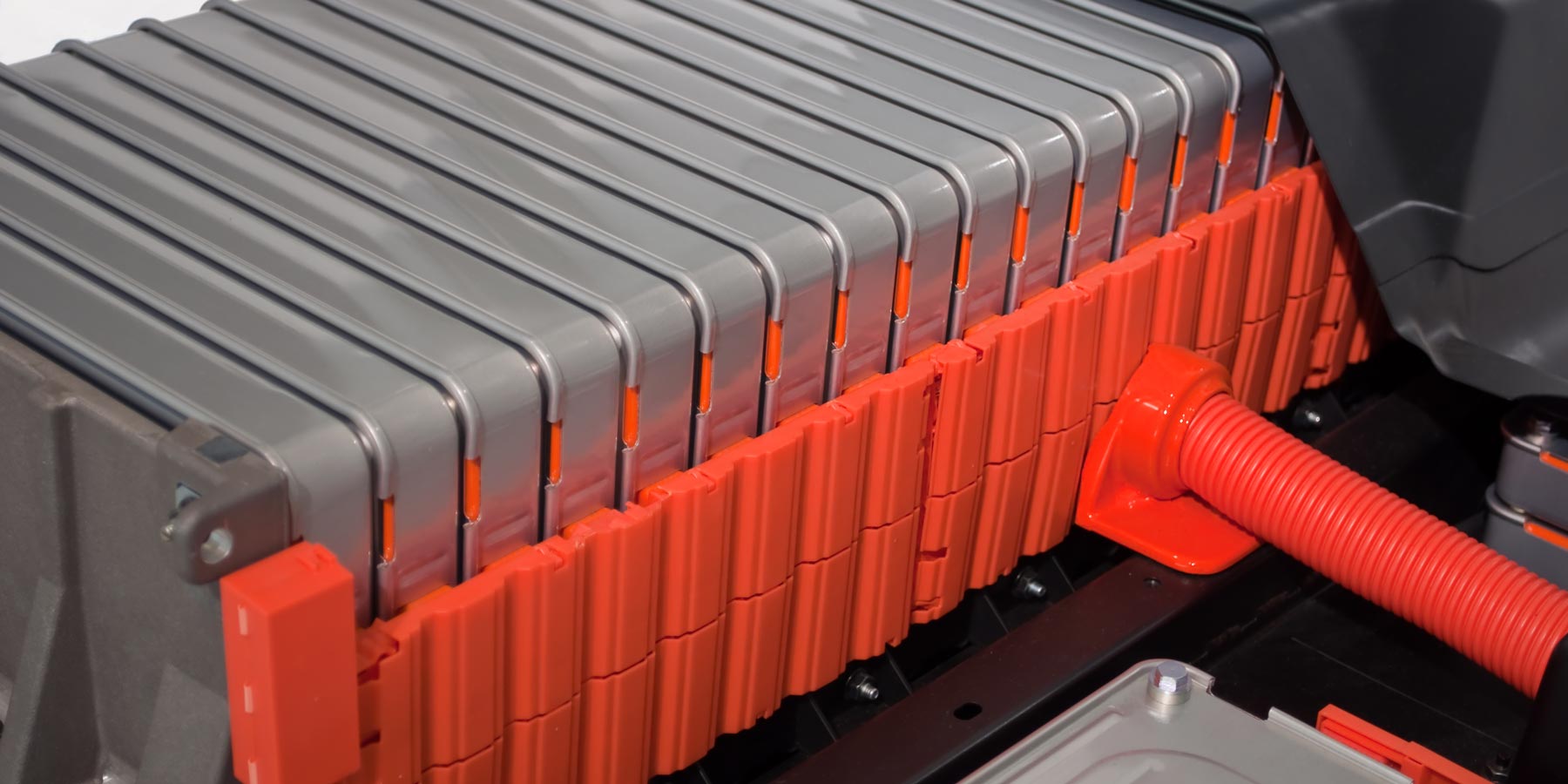
17 GWh of EV batteries could be recycled – instead of trashed – by 2030.
Our new report shows how giving these batteries a second life could meet growing power storage demands and provide precious metals for battery manufacturing.
Related Content
DO
Piloting our novel solutions to prove they are feasible and economical.

RMI’s recommendations on in-home gas usage were deployed to ~80 health organizations.
Health professionals and advocates rave about this resource, which quantifies the risks of in-home gas and the benefits of going electric. Our commentary on the climate and health risks of gas stoves appeared in the New York Times, NPR, TIME, and numerous other media outlets.
Related Content
- All-Electric Homes: A Health Professional’s Guide
- Gas Stoves Leak Climate-Warming Methane Even When They’re Off (NPR)
- The Best Stove for Your Health and the Environment ( TIME )
- Unsafe In Your Own Home? Gas Stoves Harmful To Health And Environment, Studies Find (CBS Denver)
- Why Oil and Gas Heating Bans for New Homes Are a Growing Trend (CBC News)
- The Case for Induction Cooking ( the New York Times )

Retiring a Mississippi coal power plant seven years early could unlock $579 million in benefits.
Using structured finance to replace the Red Hills Power Plant would yield financial benefits for ratepayers, workers, and the community. This novel RMI-developed approach shows promise for the equitable transition of other uneconomic coal plants globally.
Related Content

About 30 percent of freight truck miles in New York and California can be electrified now.
With trucks making up just 10 percent of US vehicles but producing 25 percent of emissions, this kind of RMI analysis will drive the policy and grid improvements we need.
Related Content
SCALE
Working in global markets to scale proven solutions and address the climate challenge.

One-third of Bermuda’s bus fleet is electric, thanks to an RMI partnership.
RMI began this partnership in 2018 to help Bermuda increase resilience to climate change and energy shocks. The new buses, which are replacing 30 diesel-powered ones, will save $10 million on the way to fully electrifying the country’s public transportation by 2030 — the emissions-reduction equivalent of removing 1,500 cars per year.
Related Content

Up to 46 percent of embodied carbon can be slashed at little to no cost.
The building industry is acting. Major firms including Arup and Skanska USA have committed to measure the emissions associated with their building projects.
Related Content
- All-Electric Homes: A Health Professional’s Guide
- Reducing Embodied Carbon in Buildings: Low-Cost, High-Value Opportunities
- The Building Industry Takes Aim at “This Whole Other Chunk” of Emissions
- Arup commits to whole lifecycle carbon assessments for all buildings work and withdrawal from fossil fuels from next year
- Skanska USA Building Expands Embodied Carbon Assessments to Projects Nationwide
Impact Spotlight
Scorecards for Climate Progress

In June, RMI released first-of-their-kind scorecards for six front-runner US states racing to reach their climate and clean energy goals. The same day, the US Supreme Court handed down its decision in West Virginia v Environmental Protection Agency (EPA), which will limit the EPA’s ability to regulate greenhouse gas emissions and air pollution. Despite the Court’s decision, the clean energy transition remains the economically sound path forward. States are critical players in implementing policies and federal funding in a way that accelerates the country’s emissions reduction targets.
RMI’s scorecards and data were centered in a New York Times front-page story featuring local climate efforts. (Additional coverage: Politico, Axios, LA Times, among others.)
California, Colorado, Illinois, New Jersey, New York, and Washington contribute nearly one-fifth of US emissions and have made bold climate commitments. But to reach their goals — and to inspire other states to do the same — they need to do more. RMI’s scorecards assess where these states stand against their goals in every major economic sector and the gaps they need to address to achieve those targets by the end of the decade.
While none of these states are on track, there are still viable and proven pathways to get there — such as strategically using federal funding in climate-smart ways and learning from each other’s successes.
Supporter Spotlight

“Over the past decade, RMI has built an unrivaled leadership bench and a truly remarkable and diverse global team. The quality of our work and the reputation and trust we have built position us extremely well to continue to scale our initiatives. Though I am transitioning out of my role as CEO later this year, I am, and will continue to be, a donor and champion of RMI and its critical efforts to accelerate the clean energy transition.”
— Jules Kortenhorst, RMI CEO
In case you missed it
More research, analysis, and stories on rmi.org
- Accelerated Clean Energy Development Could Save US $5 Billion Annually
- Implications of Peak Steel Demand in the Energy Transition
- Get a Glimpse inside Amory’s Brain
- Powering Small EVs with Rural Minigrids in Nigeria and India
- Trends to Watch in Climate-Aligned Finance
- Transforming China’s Chemicals Industry
- Cities and Towns Decarbonizing the Grid
- Corporate GHG Emissions Need to Move Beyond “Best-Guess” Territory
- Ensuring an Inclusive Clean Energy Transition
Help build the clean energy future. Donate today.
Independent research. Real-world solutions. Supported by donors.
RMI can pursue the highest-impact climate and energy solutions because we’re supported by people who believe change is possible. Every gift helps advance the work needed to make clean energy the default choice worldwide.
For other ways to give to RMI, including checks or gifts of stock, please visit Other Ways to Give.