

Learn how we are working to transform how we use and produce energy.
Norway’s Wins Go Beyond the Olympic Podium
You’ve seen Norway win on the slopes, now check out how it leads the way in clean energy usage, EVs, and reducing oil and gas methane intensity.
Why we share this work for free
RMI is an independent nonprofit working to accelerate the clean energy transition. We publish research like this to inform decision-makers and drive real-world impact.
Our work is supported by philanthropy as well as partnerships, including fee-for-service engagements. This support makes it possible for us to share our independent insights for free.
If you find this work valuable, you can support it anytime.
Get more insights like this
Stay up to date with the latest research, analysis, and tools from RMI by opting in to receive occasional emails below. You’ll get new reports, event invitations, and practical insights to help us all accelerate the clean energy transition.
Loading form...
Your download should start automatically. If it doesn’t, click the download button below.
This work is made possible by philanthropy
RMI is a nonprofit supported by donors and partners. Philanthropy enables us to produce independent research and make resources like this freely available.
If you find this report valuable, please consider supporting our work. You can also explore how we partner with organizations to drive impact.
Jump to Section
Norway has won the most medals at the Winter Olympics since the games began in 1924 — 405 total, including 148 gold. On top of its winter sport dominance, Norway has led the way in clean energy and emissions reduction.
Approximately 98% of electricity is from hydro or wind power
Norway has a legacy of hydropower that goes back to the 19th century — the first hydropower plant owned by a municipality came into production in 1891 in the Arctic town of Hammerfest. Today, hydropower supplies almost 90 percent of Norway’s electricity generation. Although hydropower is likely to remain the backbone of the Norwegian power system, support for wind power is growing (currently around 9 percent of electricity generation), and the government aims to have 30,000 MW of offshore wind production by 2040.
Electric vehicles made up 96% of new car sales in 2025
Norway has the highest number of electric vehicles per capita in the world. In 2017, the Norwegian Parliament set a goal that all new cars sold by 2025 should be zero-emission (electric or hydrogen). Through a combination of carrots and sticks, Norway has incentivized the purchase of electric vehicles to the point that 96 percent of new cars sold in 2025 were electric (up from 89% in 2024).
The lowest methane emissions intensity of any oil and gas producer
Although its grid is clean, the country is the fourth largest natural gas exporter in the world, with about 95 percent of Norwegian gas going to the European Union and United Kingdom.
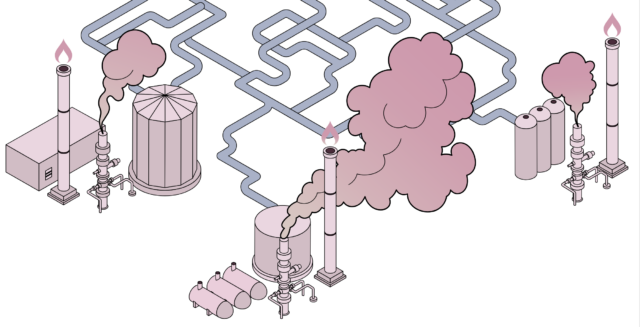
Norway leads the world in ensuring its oil and gas production limits methane, a powerful greenhouse gas with more than 80 times more warming power in the near term. It wastes less gas for each barrel it produces than any other nation. By banning non-emergency flaring in 1971 and imposing a tax on natural gas venting and flaring in 2015, Norway has been able to significantly slash its oil and gas methane emissions.
The International Energy Agency (IEA) finds that global oil and gas methane emissions would drop by over 90 percent if every country matched Norway’s emissions intensity for oil and gas operations.
The rest of the world
Curious about how other countries rank in methane intensity? Check out RMI’s Oil Climate Index Plus Gas (OCI+) tool to see and compare greenhouse gas emission intensities from oil and gas assets. OCI+ also provides guidance and insights for reducing energy waste and life-cycle emissions across the oil and gas supply chain. https://ociplus.rmi.org
Authors

Barbara Lantz
Social Content LeadRelated Insights

Help build the clean energy future. Donate today.
Independent research. Real-world solutions. Supported by donors.
RMI can pursue the highest-impact climate and energy solutions because we’re supported by people who believe change is possible. Every gift helps advance the work needed to make clean energy the default choice worldwide.
For other ways to give to RMI, including checks or gifts of stock, please visit Other Ways to Give.
