

Learn how we are working to transform how we use and produce energy.
Keeping the Catch Fresh with a Solar Minigrid
In Kiguna, Nigeria, a solar minigrid-powered cold room reduces post-harvest losses and increases profits for fishers and fish traders.
Why we share this work for free
RMI is an independent nonprofit working to accelerate the clean energy transition. We publish research like this to inform decision-makers and drive real-world impact.
Our work is supported by philanthropy as well as partnerships, including fee-for-service engagements. This support makes it possible for us to share our independent insights for free.
If you find this work valuable, you can support it anytime.
Get more insights like this
Stay up to date with the latest research, analysis, and tools from RMI by opting in to receive occasional emails below. You’ll get new reports, event invitations, and practical insights to help us all accelerate the clean energy transition.
Loading form...
Your download should start automatically. If it doesn’t, click the download button below.
This work is made possible by philanthropy
RMI is a nonprofit supported by donors and partners. Philanthropy enables us to produce independent research and make resources like this freely available.
If you find this report valuable, please consider supporting our work. You can also explore how we partner with organizations to drive impact.
Jump to Section
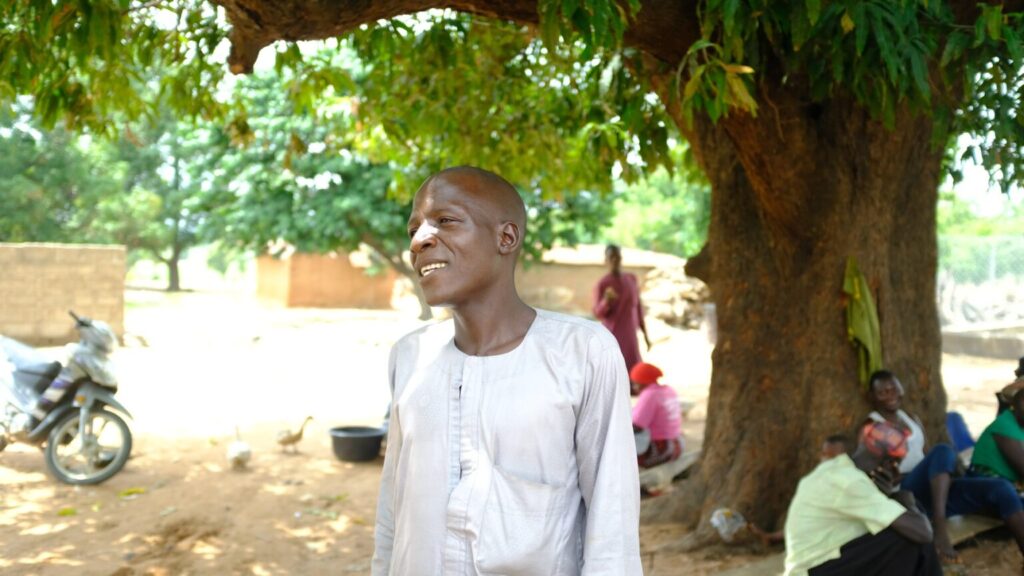
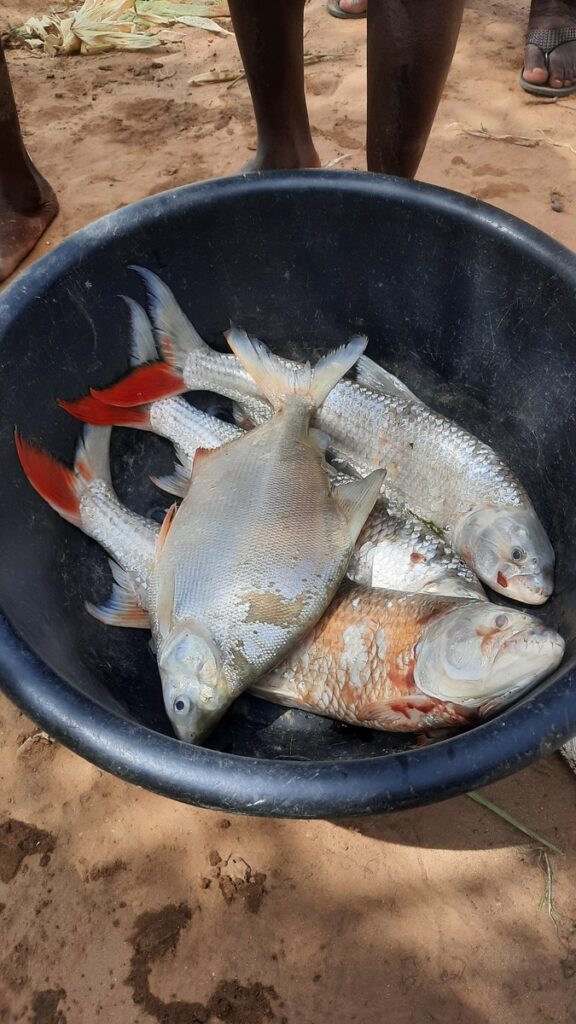
Alia Umoru, a 40-year-old mother of eight, has spent the past 20 years gutting and smoking her husband’s catch of croaker, tilapia, and catfish over a wood fire by night. She wakes up early to sell her dry, shelf-stable smoked fish in the market. Her family is one of 300 receiving reliable electricity from a Husk Power minigrid in Kiguna, Nasarawa state, Nigeria, but she does not own a refrigerator of her own.
Despite her best efforts, Umoru faces difficulty preserving fish for more than a few days after it is caught. The exhaust from her oil drum wood smoker exposes her to harmful levels of fine particulate and carbon monoxide pollution, and the process is slow, sometimes forcing her to sell the fresh fish at a low price, lest they spoil. Fishers in the community also face this problem.
“There are times the fish pile up with no one to buy them, and the fish just wastes,” says Mahwiya Haruna, a 32-year-old father of four who has been fishing for 12 years. These challenges are shared by millions of artisanal fishers in rural communities across Nigeria who collectively contribute 80 percent of total fish production and lose up to 50 percent of their capture to spoilage.
Access to cold storage could boost Umoru and Haruna’s incomes by allowing them to preserve their products and then sell in high-value markets like nearby cities, where prices can be up to five times what they get locally. But cold storage is rare in rural Nigeria, where most households lack access to electricity.
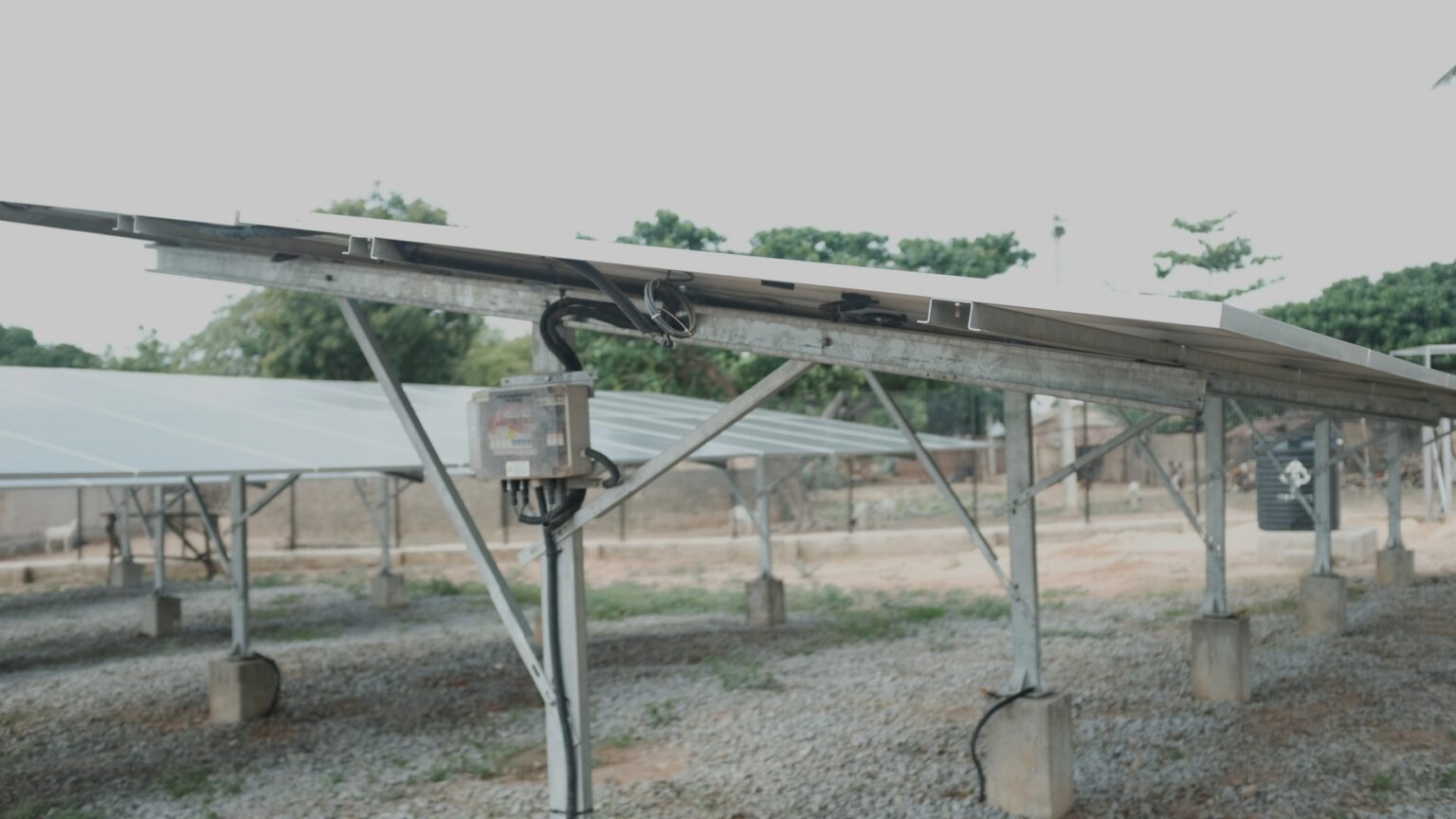
Starting this June, Umoru and Haruna’s worries about spoilage will be over. They will be able to store their catch safely and make more money in the process. Kiguna community is one of a growing number of communities across Nigeria where solar-hybrid minigrids provide reliable energy and open the door to productive uses of energy like cold storage. With support from the REA-RMI Energizing Agriculture Programme (EAP), a partnership between cold chain start-up Coldbox Store and Husk Power is powering a 3-ton walk-in cold room that extends the shelf life of the local catch from days to months.
The Cold Storage Solution
The cold room, powered by solar energy from the minigrid, maintains a temperature of -30 degrees Celsius. Local fishers and traders, such as Haruna, can pay to store their fish in the cold room or sell it to Coldbox Store. Coldbox Store will buy up to 3,000 kilograms of fish every week, store it, and distribute the frozen fish to off-takers in nearby cities.
The system keeps the fish frozen from rural Kiguna to the end-consumers in markets near and far, using a cold chain comprised of the minigrid-tied cold room, temperature-controlled trucks, and large urban cold storage centers near their buyers. Off-takers will pay a service fee for the use of this cold chain infrastructure to maintain product quality. The EAP supported this project by connecting Husk Power and Coldbox Store, assisting with their business model and deployment plans, and providing grant funds for the equipment.

When asked how she expects the cold room to impact her business going forward, Umoru said, “Now I don’t have to worry about the fish going bad, so I don’t have to sell at a loss to customers anymore.” The availability of the cold room will allow fishers and traders to avoid rushed sales and sell their products at better prices.
It also means less need to smoke the fish, improving the health of Umoru and other traders used to standing over wood smokers for hours a day. Furthermore, Coldbox Store’s fish distribution to nearby cities will bring in an extra profit of ₦200 per kilogram for fishers, such as Haruna. This will enable Haruna to earn an additional ₦10,000 per week, ultimately enhancing his productivity.
With over 100 households involved in the fish value chain in the Kiguna area, the partners working on this project are excited and optimistic about its impact. Uzochukwu Mbamalu, CEO of Coldbox Store, says, “This project will decrease post-harvest losses in Kiguna by over 30 metric tonnes annually, increase fishers’ income by over 30 percent per catch, and enhance their participation in fishing as an economic activity.”
Olu Aruike, Nigeria Country Director for Husk Power Systems, is optimistic about the project’s potential to boost the local economy. “This is a real-world example of Husk’s mission to catalyze thriving rural economies. Husk and Coldbox Store are opening up new possibilities for our customers while improving their incomes and livelihoods,” he adds.
Replicating solar-powered cooling projects like the Kiguna cold room can be an efficient and effective way to prevent post-harvest loss and boost the productivity and income of millions of small artisanal fishers across Nigeria. This pilot project aims to establish the solution’s effectiveness and inform a strategy for expanding cold storage solutions in rural communities across the country.
This pilot is one of many being trialed under the EAP’s Agriculture-Energy Innovation Accelerator. Read more at energizingagricultureprogramme.org.
Top photo: Alia Umoru smoking locally-caught fish in Kiguna community, Nasarawa state
This article was originally published on energizingagricultureprogramme.org.
Authors

Folawiyo Aminu
Senior AssociateRelated Insights

Beyond the Checkbox: Gender action plans that work in Africa’s minigrid sector

Bringing Clean Energy Opportunities to Women and Youth in Nigerian Agriculture
Help build the clean energy future. Donate today.
Independent research. Real-world solutions. Supported by donors.
RMI can pursue the highest-impact climate and energy solutions because we’re supported by people who believe change is possible. Every gift helps advance the work needed to make clean energy the default choice worldwide.
For other ways to give to RMI, including checks or gifts of stock, please visit Other Ways to Give.
