

Learn how we are working to transform how we use and produce energy.
Capturing the Productive Use Dividend
Valuing the Synergies between Rural Electrification and Smallholder Agriculture in Ethiopia
Why we share this work for free
RMI is an independent nonprofit working to accelerate the clean energy transition. We publish research like this to inform decision-makers and drive real-world impact.
Our work is supported by philanthropy as well as partnerships, including fee-for-service engagements. This support makes it possible for us to share our independent insights for free.
If you find this work valuable, you can support it anytime.
Get more insights like this
Stay up to date with the latest research, analysis, and tools from RMI by opting in to receive occasional emails below. You’ll get new reports, event invitations, and practical insights to help us all accelerate the clean energy transition.
Loading form...
Your download should start automatically. If it doesn’t, click the download button below.
This work is made possible by philanthropy
RMI is a nonprofit supported by donors and partners. Philanthropy enables us to produce independent research and make resources like this freely available.
If you find this report valuable, please consider supporting our work. You can also explore how we partner with organizations to drive impact.
Jump to Section
Rural electrification of agriculture in Ethiopia is an important part of a resilient response to and recovery from economic devastation wrought by COVID-19 and the East Africa locust infestation.
New RMI analysis demonstrates a US$4 billion economic case for a national program in Ethiopia to promote the productive uses of electricity by examining six key agricultural value chains: irrigating horticulture, grain milling, injera baking, bread baking, milk cooling, and coffee washing.
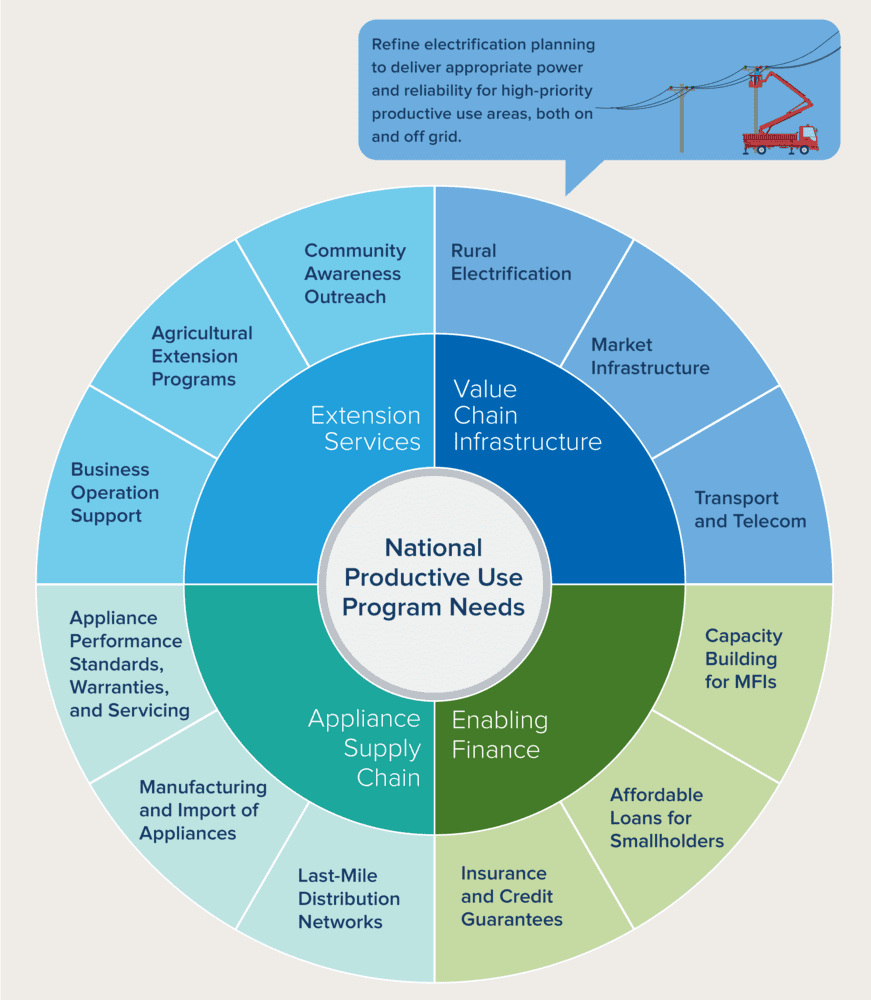
RMI’s new insight brief explores the opportunity for mutually assured success among agricultural transformation and rural electrification efforts. In collaboration with the International Food Policy Research Institute (IFPRI); the Ethiopian Ministry of Water, Irrigation, and Energy (MoWIE); and the Agricultural Transformation Agency (ATA), RMI’s new brief outlines the synergies between rural electrification and agricultural productivity, processing, and businesses, and the value that can flow from closely linking the two.
Now more than ever, Ethiopia must undertake these efforts in order to increase resilience in the country’s economy, create opportunity for a large number of farmers, and build off-grid energy systems to provide universal electricity access.
Authors

Edward Borgstein
Kester Wade
Dawit Mekonnen
Related Insights
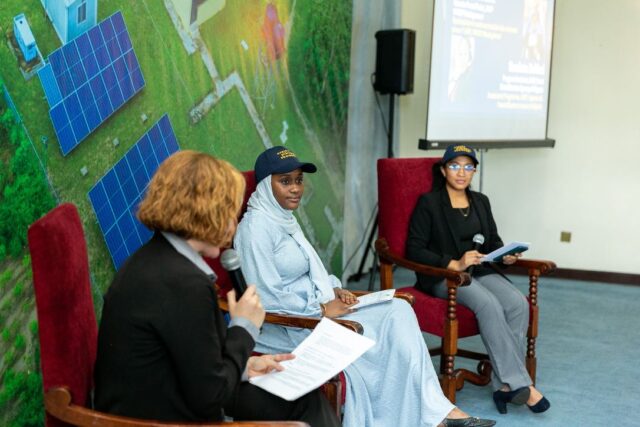
Beyond the Checkbox: Gender action plans that work in Africa’s minigrid sector

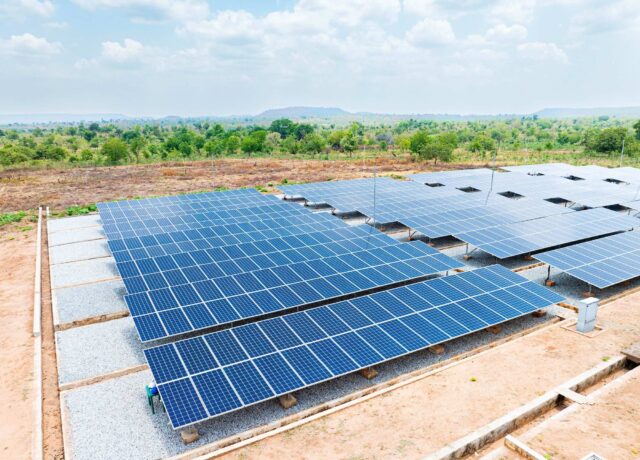
Bringing Clean Energy Opportunities to Women and Youth in Nigerian Agriculture
Help build the clean energy future. Donate today.
Independent research. Real-world solutions. Supported by donors.
RMI can pursue the highest-impact climate and energy solutions because we’re supported by people who believe change is possible. Every gift helps advance the work needed to make clean energy the default choice worldwide.
For other ways to give to RMI, including checks or gifts of stock, please visit Other Ways to Give.
