

Learn how we are working to transform how we use and produce energy.
Why we share this work for free
RMI is an independent nonprofit working to accelerate the clean energy transition. We publish research like this to inform decision-makers and drive real-world impact.
Our work is supported by philanthropy as well as partnerships, including fee-for-service engagements. This support makes it possible for us to share our independent insights for free.
If you find this work valuable, you can support it anytime.
Get more insights like this
Stay up to date with the latest research, analysis, and tools from RMI by opting in to receive occasional emails below. You’ll get new reports, event invitations, and practical insights to help us all accelerate the clean energy transition.
Loading form...
Your download should start automatically. If it doesn’t, click the download button below.
This work is made possible by philanthropy
RMI is a nonprofit supported by donors and partners. Philanthropy enables us to produce independent research and make resources like this freely available.
If you find this report valuable, please consider supporting our work. You can also explore how we partner with organizations to drive impact.
Jump to Section
Rocky Mountain Institute, RMI India, and NITI Aayog are collaborating with electricity distribution companies (discoms) in Haryana, a state in North India, through the Lighthouse Discom Programme to identify, evaluate, plan, and implement cost-effective examples of clean energy technologies. The program aims to create replicable pathways toward increased profitability and readiness for higher penetrations of renewable generation and electric mobility. The Electric Vehicle Charging Infrastructure Readiness Guide provides practical guidance to discoms interested in capturing the maximum benefits of electric mobility.
Electric vehicles (EVs) represent a growing opportunity for discoms to capture new sources of demand flexibility while increasing revenue from a customer class that will grow significantly over the next decade. Converting India’s existing vehicle fleet to electric will add terawatt-hours of new demand to the grid and requires thoughtful and timely planning to minimize costs and maximize benefits to discoms and customers alike.
Additionally, if managed correctly and planned for proactively, this new large and flexible load (in time and location) will support revenue growth and improve the efficiency of discom operations. However, if new demand is not met proactively, discoms will be challenged by large numbers of interconnect requests and little control of the new load, resulting in a lost demand-side management opportunity and a slowing of demand growth.
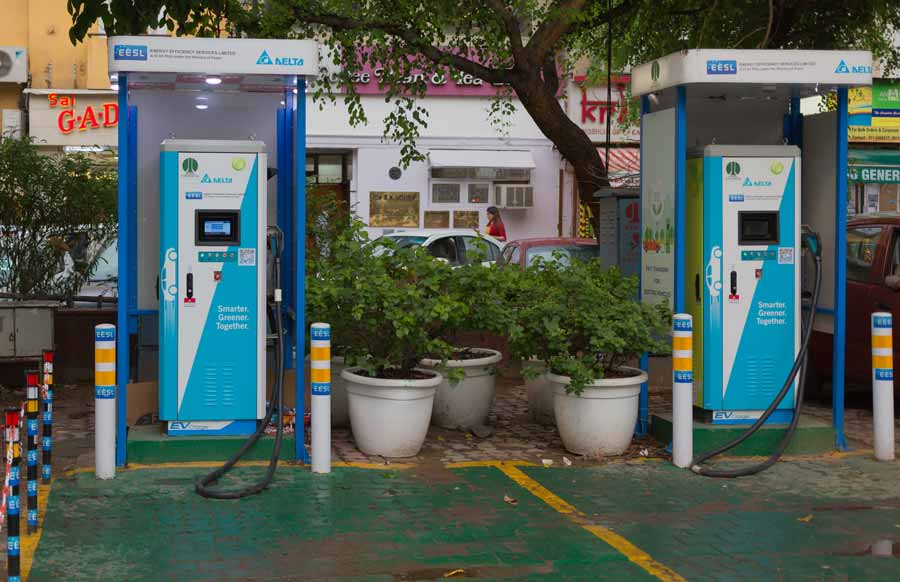
Discoms can start planning today for the expected demand growth in the coming years and decades. The first step in planning for an EV future is to build capacity across the key stakeholders to ensure all parties have the fundamental knowledge required to have productive planning discussions. This EV charging guide address actions and considerations specifically relevant to Indian discoms preparing for electric mobility in their territory. The report presents a review of international best practices and recommendations for Indian discoms’ EV readiness. Topics covered include:
- Charging technology and vehicle-specific considerations
- Consumer charging behavior and the implications for discoms
- Best practices in planning for EV charging deployment
- Key considerations for maximizing discom and customer benefits of EV adoption
Authors

RMI India
Related Insights
India’s Used EV Battery Market Needs Trust. Battery Aadhaar Can Help.
Help build the clean energy future. Donate today.
Independent research. Real-world solutions. Supported by donors.
RMI can pursue the highest-impact climate and energy solutions because we’re supported by people who believe change is possible. Every gift helps advance the work needed to make clean energy the default choice worldwide.
For other ways to give to RMI, including checks or gifts of stock, please visit Other Ways to Give.
