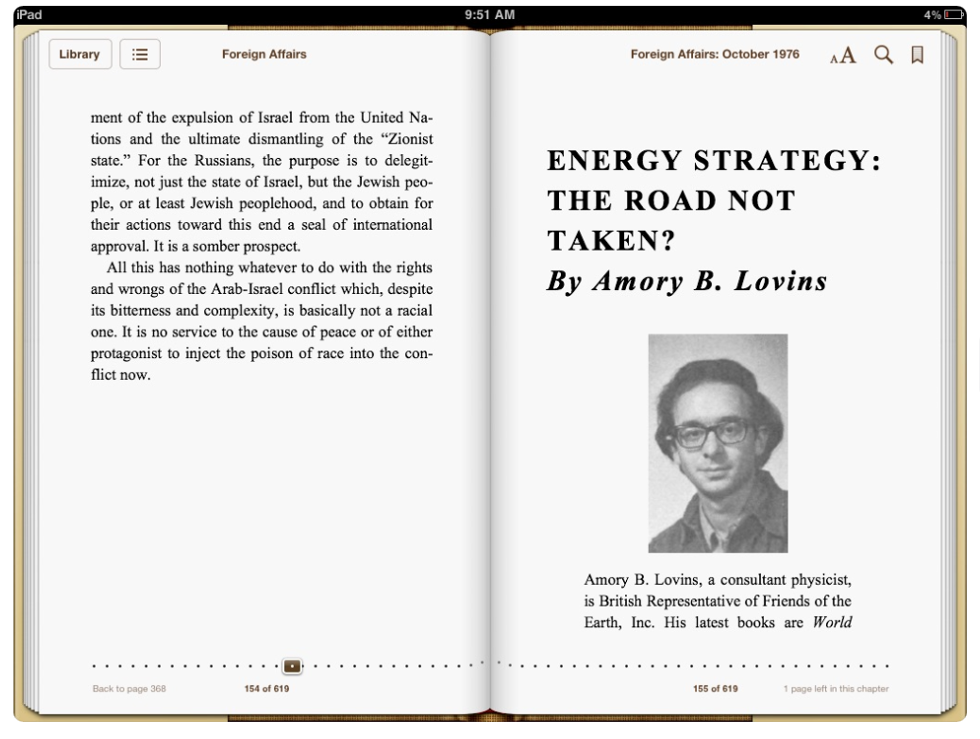
In 1976, 50 years ago this month, RMI cofounder Amory Lovins published “Energy Strategy: The Road Not Taken?” in Foreign Affairs, in the thick of the worst energy crisis the world had yet experienced. Just a few years prior, the 1973 Arab oil embargo exposed the vulnerability of dependency on imported fuel. Oil prices surged, compounding inflation, and priming a global recession. Governments responded largely by asking how to secure and produce more fossil fuels.
In the face of this crisis, Lovins posed a different set of questions: How much energy did people actually need to get the services they wanted — warm homes, convenient transportation, light in the dark, and reliable industrial production — and what was the cheapest, most resilient way to provide them?
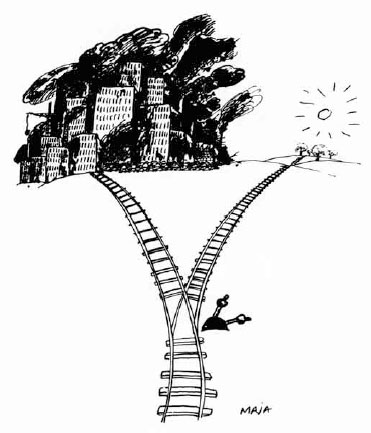
The better answer, he argued, wasn’t the prevailing “hard path” — building new centralized fossil-fuel and nuclear systems — but a “soft path,” emphasizing efficiency and renewable energy. And at a time when global warming was scarcely part of public debate, Lovins also warned that greatly expanding the burning of fossil fuels could sharply drive up atmospheric carbon dioxide and trigger potentially irreversible climate change.
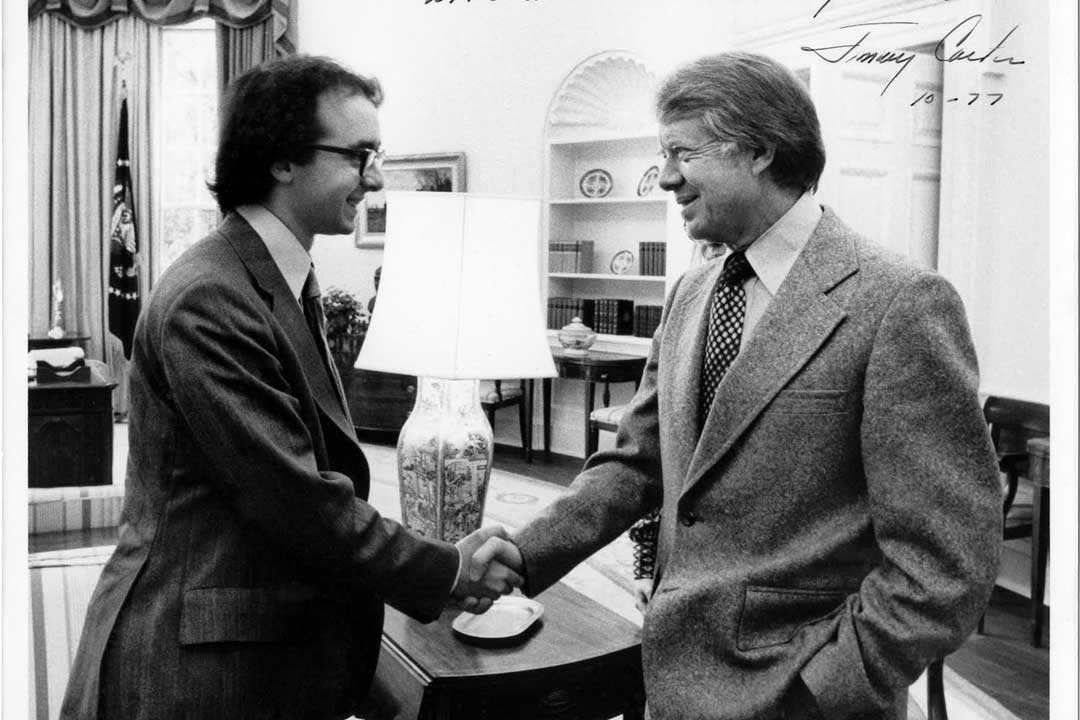
For the then 28-year-old Lovins, the essay’s impact was unexpected. The sudden attention on his insights and himself — he emerged as a “rock star” of efficiency’s promise, as The New Yorker later profiled him — reshaped how policymakers approached energy. The essay garnered national attention, inspired symposia and rebuttals from leading scientists, and took him to the White House. Lovins’s arguments quickly entered debates among policymakers, utilities, companies, and energy planners across the United States and beyond.
Half a century later, Lovins’s analysis continues to echo not only because of the anniversary of its publication, but because the world is again facing similar dynamics. Conflict in the Middle East has again disrupted energy markets, driven up energy prices, and heightened concerns about security and broader global economic stability.
This time is different. Technologies that were promising but embryonic when Lovins first wrote in 1976 — including wind, solar, batteries, and highly efficient buildings and vehicles — are now mature, affordable, and being deployed at a global scale. Applied together — as an integrated system rather than selective one-offs — these tools revive and modernize the soft energy path, making it not only viable but superior along every dimension that now matters most: speed, cost, resilience, security, and scalability.
Many of Lovins’s then-controversial ideas have become accepted wisdom. His core insight remains central: People do not want energy itself; they want what energy does. Not electricity, gas, and oil, but the services they deliver — “hot showers and cold beer,” as Lovins likes to put it. That insight became a cornerstone of RMI’s mission and its unique approach to collaborative problem solving. Rather than imposing solutions, RMI brings deep insights together with the people who understand the problem, the people who control resources, and the people who will implement change, to define what’s possible together.
Lovins’s essay informed the founding of Rocky Mountain Institute back in 1982. Since then, he and the rest of RMI have extended these fundamentals across buildings, transportation, electricity, industry, finance, policy, and around the world.
The technologies have changed dramatically since 1976. But the power of rigorous analysis to shift how leaders see their choices has not. Today, RMI continues Lovins’s work: putting consequential ideas into the world and, crucially, helping decision makers navigate the path from insight to action.
Amory Lovins's Work
April 21, 2022
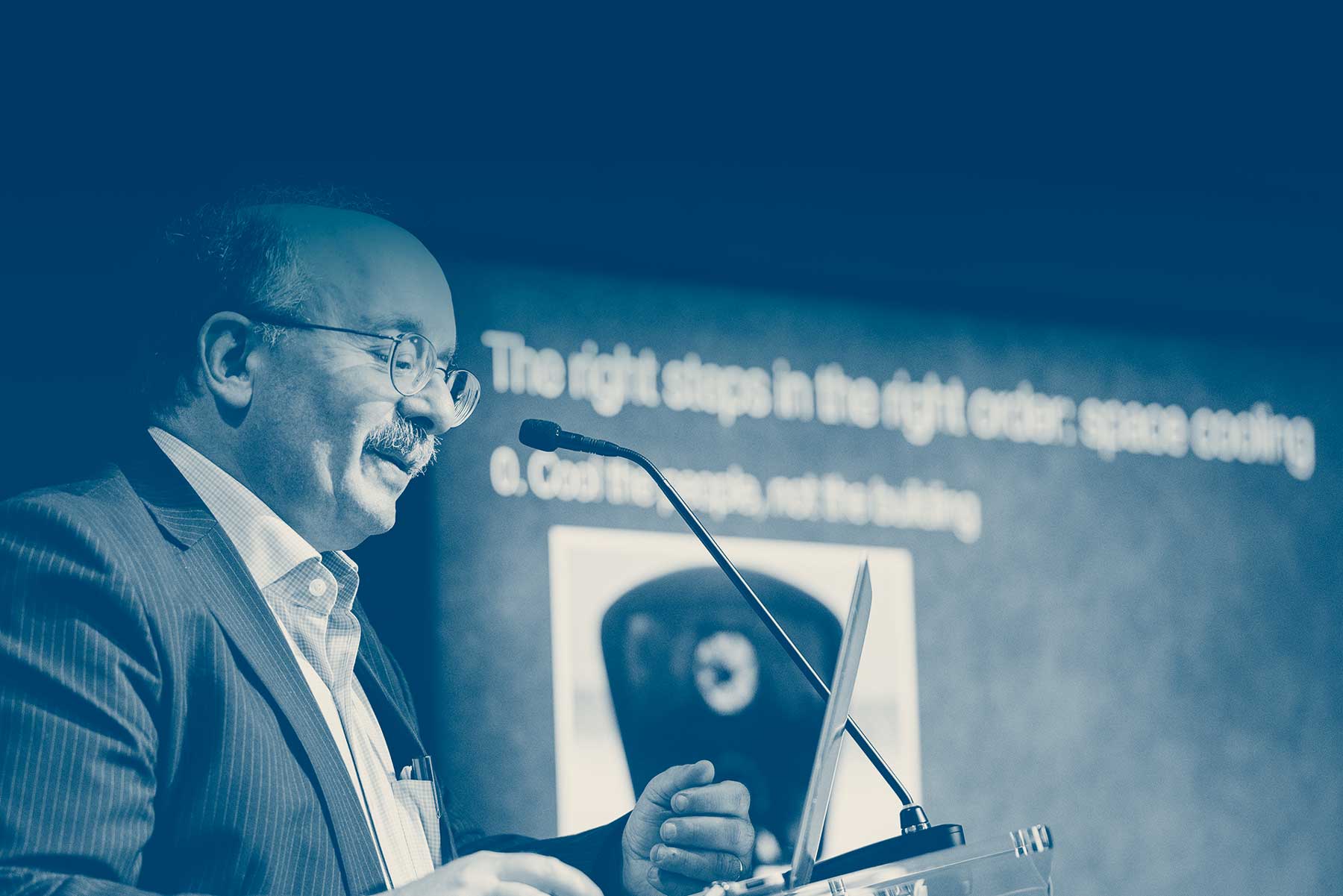
Amory B. Lovins is known as the Einstein of energy efficiency. This page honors his legacy and spotlights his current work, giving a glimpse inside Amory’s brain.