

Learn how we are working to transform how we use and produce energy.
Low-Carbon Procurement Accelerates Net-Zero Transition
An Overview of Heavy Industry’s Case in China
Why we share this work for free
RMI is an independent nonprofit working to accelerate the clean energy transition. We publish research like this to inform decision-makers and drive real-world impact.
Our work is supported by philanthropy as well as partnerships, including fee-for-service engagements. This support makes it possible for us to share our independent insights for free.
If you find this work valuable, you can support it anytime.
Get more insights like this
Stay up to date with the latest research, analysis, and tools from RMI by opting in to receive occasional emails below. You’ll get new reports, event invitations, and practical insights to help us all accelerate the clean energy transition.
Loading form...
Your download should start automatically. If it doesn’t, click the download button below.
This work is made possible by philanthropy
RMI is a nonprofit supported by donors and partners. Philanthropy enables us to produce independent research and make resources like this freely available.
If you find this report valuable, please consider supporting our work. You can also explore how we partner with organizations to drive impact.
Jump to Section
Enabling procurement and promoting a market for low-carbon industrial materials is an important demand-side measure to accelerate the decarbonization of heavy industry. The green premium of low-carbon industrial materials can be shared along the value chain, and a robust demand-side market can reduce transition costs through economies of scale.
In this report, we first summarize Chinese and global practices in public and private low-carbon procurement, and then propose a framework of key elements for low-carbon procurement: (1) scope definition; (2) a carbon accounting and certification system; (3) carbon criteria for products, services, and/or suppliers; (4) incentives for low-carbon products and services; and (5) implementation, monitoring, and evaluation.
The report identifies five priority value chains for low-carbon procurement related to four major industrial materials in China — steel-automotive, steel-construction, cement-construction, aluminum-automotive, and plastics-consumer goods. Finally, the report suggests future opportunities and actions needed for China’s low-carbon procurement development.




Related Insights
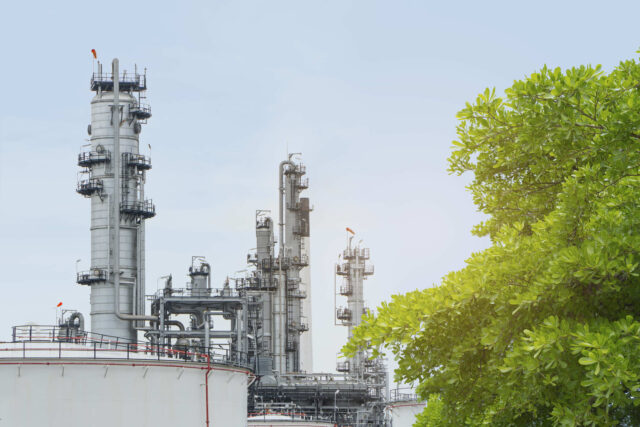

Accelerating China’s Green Transition Through Zero-Carbon Industrial Parks

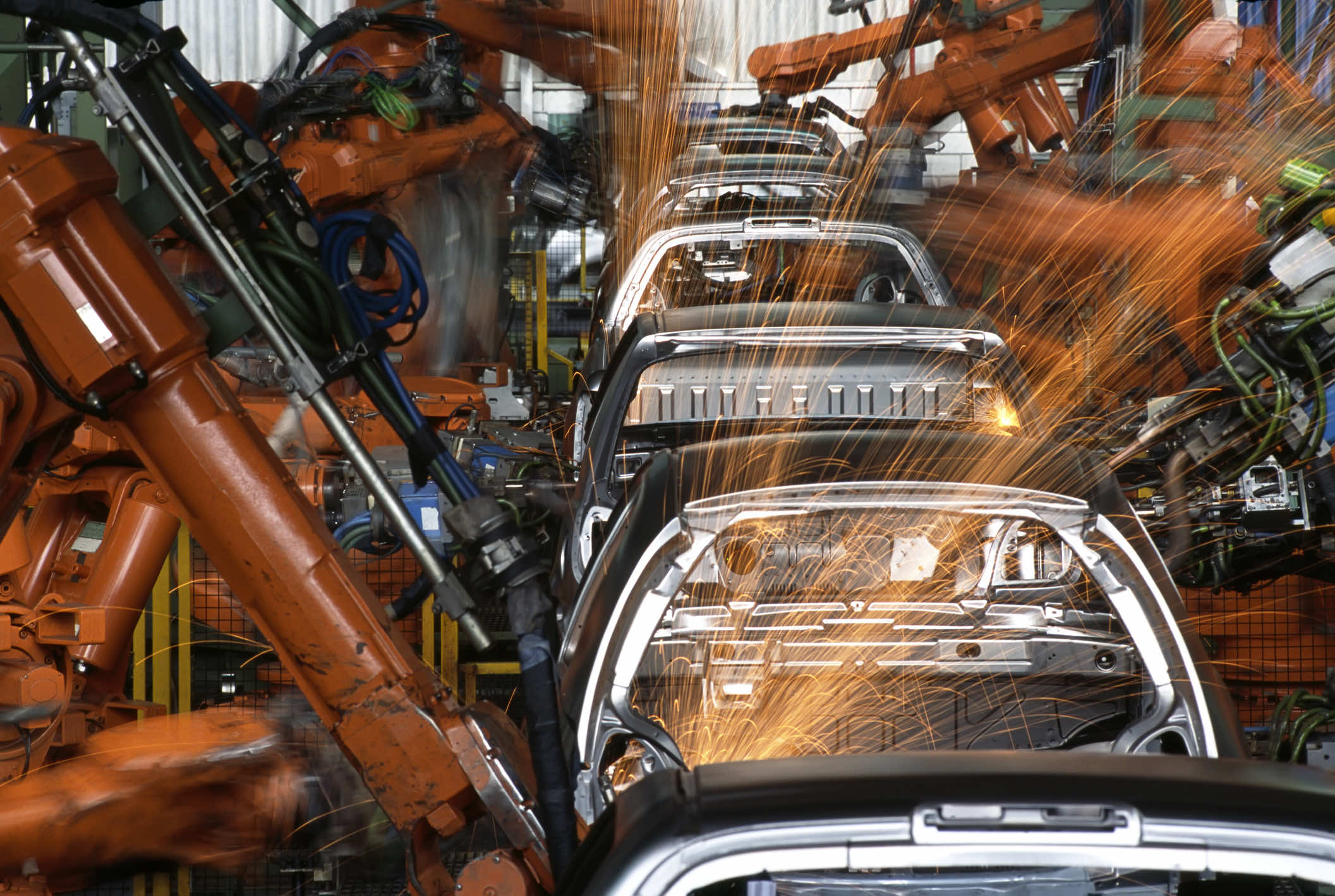
Demand-Side Drivers of Steel Decarbonization: Automotive Procurement Practices
Help build the clean energy future. Donate today.
Independent research. Real-world solutions. Supported by donors.
RMI can pursue the highest-impact climate and energy solutions because we’re supported by people who believe change is possible. Every gift helps advance the work needed to make clean energy the default choice worldwide.
For other ways to give to RMI, including checks or gifts of stock, please visit Other Ways to Give.