

Learn how we are working to transform how we use and produce energy.
Sub-Saharan Africa Stimulus Strategy
A Springboard for Increased Local Resilience and Economic Growth
Why we share this work for free
RMI is an independent nonprofit working to accelerate the clean energy transition. We publish research like this to inform decision-makers and drive real-world impact.
Our work is supported by philanthropy as well as partnerships, including fee-for-service engagements. This support makes it possible for us to share our independent insights for free.
If you find this work valuable, you can support it anytime.
Get more insights like this
Stay up to date with the latest research, analysis, and tools from RMI by opting in to receive occasional emails below. You’ll get new reports, event invitations, and practical insights to help us all accelerate the clean energy transition.
Loading form...
Your download should start automatically. If it doesn’t, click the download button below.
This work is made possible by philanthropy
RMI is a nonprofit supported by donors and partners. Philanthropy enables us to produce independent research and make resources like this freely available.
If you find this report valuable, please consider supporting our work. You can also explore how we partner with organizations to drive impact.
Jump to Section
Energy challenges are one of the common features of current disruptions in sub-Saharan African countries in the wake of the COVID-19 pandemic. There is little doubt that electricity supply for health facilities and essential services has long been overlooked. Moreover, the recent collapse in oil prices has had a destabilizing effect on national budgets for exporters, while trade balances are worsening for fuel importers. By addressing this dependence in the recovery phase, African countries can strengthen their resilience to future external or extreme shocks.
There is a unique opportunity to build back stronger during post-pandemic recovery efforts. Focusing stimulus packages on energy-related interventions that can help sub-Saharan African countries move quickly to become carbon-neutral economies can generate positive spillover effects into other sectors.
To be effective, these interventions would:
- Adopt an inclusive approach and ensure the most vulnerable are not left behind;
- Prioritize a short implementation timeframe (two to three years maximum) enabling swift recovery, along with scalability as a key parameter;
- Create long-term as well as short-term jobs and generate environmental co-benefits;
- Leverage favorable economics of clean technologies to help decarbonize the economy;
- Unlock economic potential in other sectors; and
- Increase resilience to external shocks and reduce dependence on imports.
Authors

Alexander Komakech Akena
Francis Elisha
Olatunde Okeowo
Related Insights

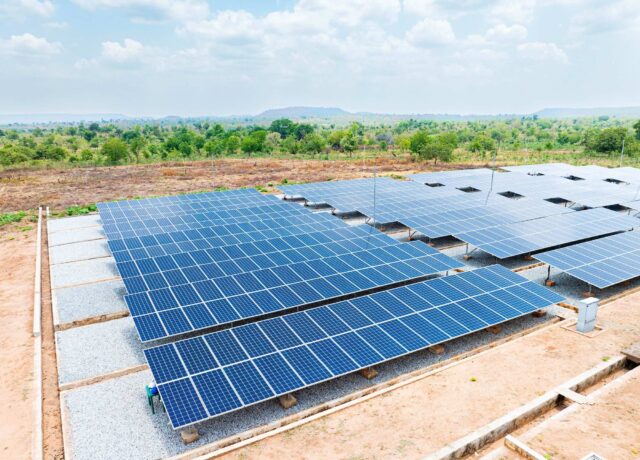
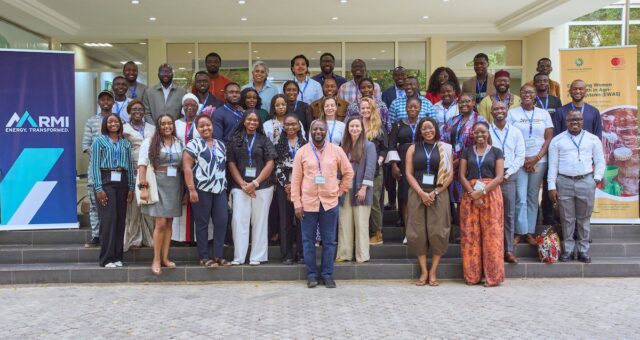
Bringing Clean Energy Opportunities to Women and Youth in Nigerian Agriculture
Help build the clean energy future. Donate today.
Independent research. Real-world solutions. Supported by donors.
RMI can pursue the highest-impact climate and energy solutions because we’re supported by people who believe change is possible. Every gift helps advance the work needed to make clean energy the default choice worldwide.
For other ways to give to RMI, including checks or gifts of stock, please visit Other Ways to Give.