Learn how we are working to transform how we use and produce energy.
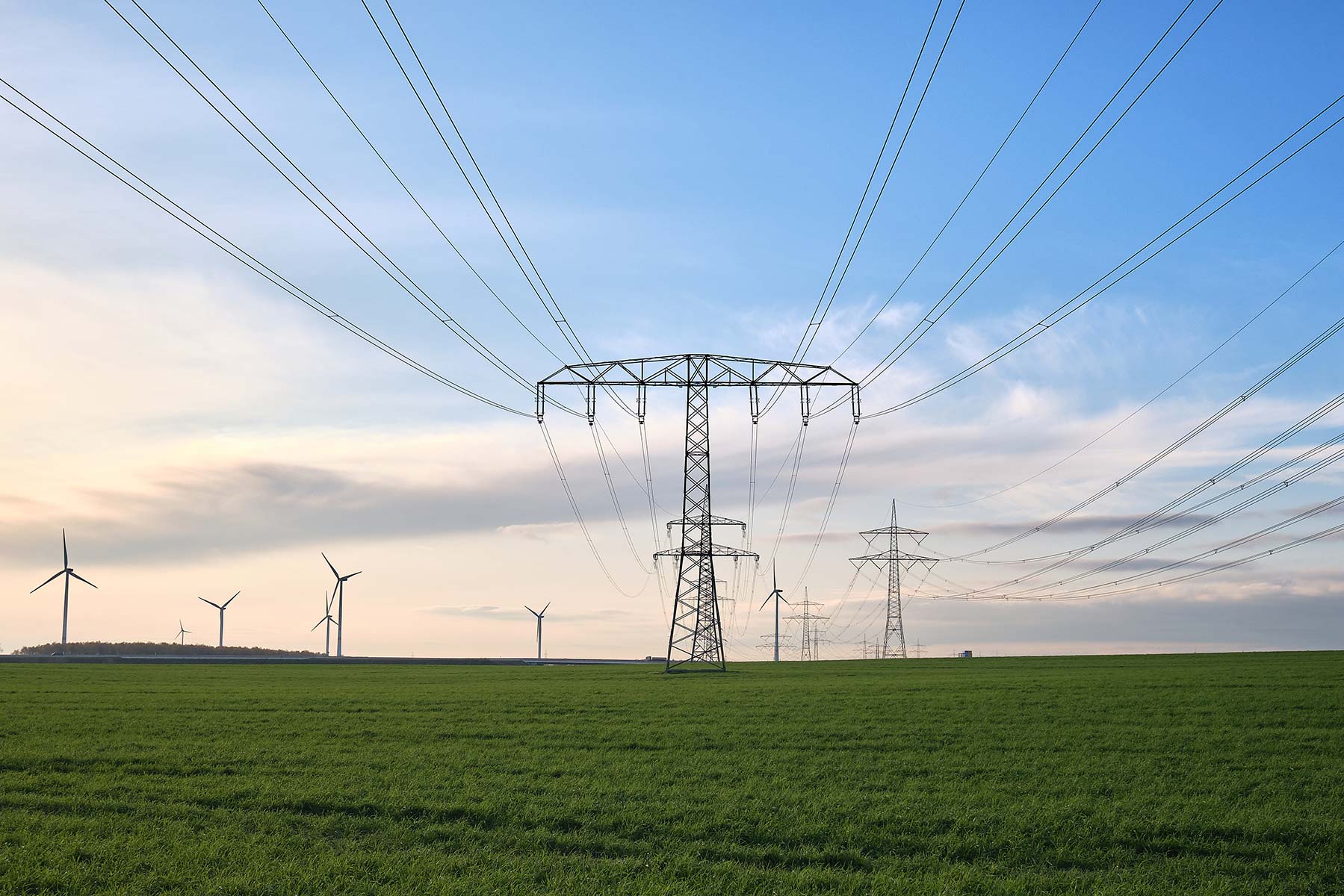
RMI Transmission Fellowship
Elevate your skills and knowledge to build the grid of the future.
Program Overview
We need an exceptional team to rise to the ambition and complexity of the challenge ahead — to build the grid needed to affordably and reliably power an increasingly electrified US economy while reducing climate pollution.
The Transmission Fellowship equips existing and budding energy professionals with the skills and knowledge to accelerate and advance transmission buildout at the pace, scale, care, and deliberation necessary to modernize the US electricity grid. This year-long fellowship supports existing staff, or soon-to-be-hired staff, working on transmission within their current roles and provides the training needed to help them succeed in the electric transmission sector.

Program Details
The Transmission Fellowship’s inaugural cohort (June 2024–May 2025) of eight fellows participated in diverse learning experiences and directly contributed to grid modernization. The Fellows worked with host organizations to advance real work expanding US transmission capacity. Learning encompassed in-person cohort time, e-learning technical modules, monthly facilitated discussions with diverse experts, and mentorship. Fellows dove deep into technical topics including grid physics, electricity regulation and economics, electric transmission planning, utility finance, and who pays for transmission.

Introducing our 2026-2027 Cohort
Building on the success of the inaugural cohort, RMI launched the second Transmission Fellowship cohort in 2026. The 2026–2027 fellowship brings together transmission professionals from across the United States for a year of expert-led learning, peer-to-peer exchange, mentorship, and cohort experiences designed to deepen their knowledge, strengthen their networks, and support their work advancing transmission.
Interested in staying connected to the RMI Transmission Fellowship and learning about future opportunities?
RMI Transmission Fellows (2024–25)
Please click the Fellows' portraits to view videos.


Anya Poplavska
Host Organization: Acadia Center
Anastasiya (Anya) Poplavska recently finished her fellowship term as a Science & Technology Policy Fellow at the US Department of Energy in the Solar Energy Technologies Office. Anya was on the Workforce and Equitable Access team, working full time on the National Community Solar partnership. During her time at DOE, she was able to work and lead on a variety of projects related to low-income solar access, utility engagement, distribution and transmission grid interconnection, and state policy work. Prior to her time at DOE, Anya developed an EV charging proposal in rural Kansas, worked on environmental policy at the largest advocacy group in the Silicon Valley, and developed a climate action plan for the largest bottler in North America. Anya is a proud bilingual, first-generation Ukrainian American and a summa cum laude graduate from California Polytechnic State University, San Luis Obispo. She is passionate about regulatory and policy work in the clean energy space and is excited to be working on issues in the Northeast with the Acadia Center.
At the Acadia Center, Anya developed her expertise on transmission in the ISO-NE region. Anya contributed to the Northeast Grid Planning Forum (NGPF) stakeholder project, tracking FERC, ISO-NE, and NEPOOL participation and proceedings; contributed regulatory comments; and helped develop Acadia Center’s advocacy positions on various transmission issues.


Ben Adams
Host Organization: Southern Alliance for Clean Energy
Ben Adams has worked for almost twenty years as a book editor, publishing bestselling and award-winning books about science, technology, politics, economics, and more. He has worked with high-ranking government officials, journalists, scholars, and public figures to develop their ideas into well-crafted narratives and arguments that shape the public discourse. His authors have appeared in major media outlets such as NPR, CNN, the New York Times, ESPN, Good Morning America, and many other places. Ben also volunteers as the PR and press lead for the nonprofit organization Climate Changemakers, working on campaigns to further the pro-climate policy agenda both locally and nationally. Finally, he has worked as a reporter and writer, publishing in places like Slate, Vice, and Grantland.
For his host organization, the Southern Alliance for Clean Energy, Ben participated in local and regional planning efforts, developed strategic plans, and conducted research. He was also involved in both internal and external communications writing.


Nathan Shreve
Host Organization: Grid Strategies LLC
Prior to joining the RMI Transmission Fellowship, Nathan worked as a consultant for McKinsey & Company in New York City, where he served renewables developers and electric utility clients. His work focused primarily on renewables interconnection and portfolio investment strategy (e.g., investing for climate resilience, changing demand side trends, and physical asset reliability), but has spanned a diverse range of decarbonization-related topics including EV charging infrastructure expansion and agricultural greenhouse gas emissions reduction. Prior to McKinsey, Nathan worked on satellite power systems and Radio Frequency compatibility testing at NASA. Nathan holds a BS in electrical engineering summa cum laude from Washington University in St. Louis.
Nathan worked this year at Grid Strategies LLC, a power sector consulting firm based in Washington, D.C. He primarily supported the WATT Coalition in advocating for the accelerated deployment of grid-enhancing technologies to increase the capacity, reliability, and cost-effectiveness of existing transmission lines. He also supported broader research at Grid Strategies around load growth, congestion pricing, and construction of new high-voltage lines.

Alyssa Perez
Host Organization: RMI
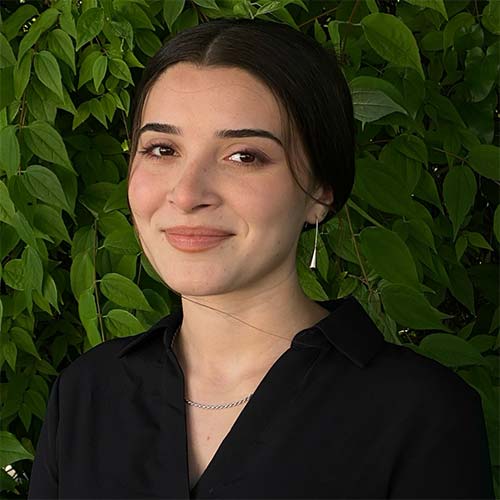
Alyssa Perez is an early-career researcher dedicated to engendering sustainable and equitable climate futures. Prior to joining RMI, she served as a research associate for WestEd supporting strategic resource allocation, systems planning, and workforce initiatives. In this role, she had the opportunity to examine the health, academic, and financial benefits of developing more sustainable school facilities, and contribute to clean energy infrastructure grant writing for tribal governments. As an undergraduate, Perez worked as a research assistant for the Energy Institute at Haas exploring labor union strategies in environmental policymaking conflicts, as well as for The Berkeley Institute for Young Americans studying variations in generational values, voting behaviors, and experiences of socio-economic risk following the COVID-19 pandemic. Perez holds a Bachelor of Arts in Political Economy with a focus on the Environment and Inequality, as well as a Bachelor of Arts in Gender and Women’s Studies from the University of California, Berkeley.
As a transmission fellow on the Clean Competitive Grids team at RMI, Alyssa supported research to understand and address siting and permitting challenges for high voltage transmission lines, utility-scale renewables, and other clean tech facilities. In particular, she studied strategies to address bottlenecks in state and local permitting processes, as well as sources of local opposition in different regional contexts.


Virginia Pascal
Host Organization: Arkansas Advanced Energy Association
Virginia Paschal is a graduate of Pomona College in Claremont, CA, where she earned a degree in public policy and environmental analysis. Originally from Arkansas, she is passionate about advancing energy justice and supporting the energy transition in the Southern United States. Prior to joining RMI, Virginia worked as a consultant at D+R International, collaborating on building decarbonization initiatives for utilities such as Bonneville Power Administration and Seattle City Light. Her role included conducting research, site visits, and stakeholder engagements to develop impactful case studies on heat pump water heater and HVAC installations in residential and commercial settings. She also played a key role in developing installer training content and managing program implementation across the Pacific Northwest to promote energy-efficient building solutions. Earlier in her career, Virginia conducted research at Vermont Law School’s Institute for Energy and the Environment, where she investigated policy options for taxing farmland solar and lowering energy use in indoor agriculture.
At AAEA, Virginia supported staff in advocating for legislative transmission priorities at the state level. She represented AAEA and provided comments in stakeholder planning meetings for MISO and SPP. Additionally, she assisted in building the knowledge base of Arkansas Public Service Commissioners and staff on transmission systems and supported their further engagement in RTO planning processes.


Josh Rogers
Host Organization: Great Plains Institute
Josh Rogers recently graduated magna cum laude from Princeton University’s Department of Politics with certificates in Environmental studies and Values & Public Life. He has worked on decarbonization initiatives in the US House of Representatives, the US Department of Transportation, and at a local solar startup. At Princeton he helped found a student-led environmental, social, and governance (ESG) nonprofit and led Princeton’s energy conference. His senior thesis delved into the causes of and solutions to local opposition to high-voltage transmission line development, with a focus on the western United States. He will be extending and building upon this research as a fellow for the Great Plains Institute.
In his role at GPI, Josh researched local opposition and stakeholder engagement methods across several proposed transmission line routes in the Plains and Midwest. His work focused on the reasons behind local opposition to transmission projects and the solutions local governments, developers, and transmission advocates can use to limit opposition.


Remy Franklin
Host Organization: Interwest Energy Alliance
Remy is a social scientist, educator, and facilitator with 10 years of experience in clean energy and climate justice research, education, and advocacy. He joins RMI from the University of California Center for Climate Justice, where he worked with stakeholders across the UC system to build and disseminate an interdisciplinary curriculum focused on climate change and equity. Remy studied Environmental Studies at Dartmouth College and got his master’s degree in human geography from the University of Arizona focused on electric utility regulation, distributed solar, and energy justice.
As a Transmission Fellow with the Interwest Energy Alliance, Remy researched how utilities in the non-RTO West model transmission in their integrated resource plans. Working closely with the IEA team and regional stakeholders, he wrote a report summarizing current approaches and best practices for integrating transmission and generation planning to maximize system benefits.


Joe Hack
Host Organization: World Resources Institute
Joe Hack has worked in the commercial solar industry for the past six years as a development analytics specialist and software engineer, first at Cypress Creek Renewables and then as an independent consultant. He has a bachelor’s degree in environmental science from Stanford and a master’s degree in music from Northwestern where he studied opera.
Joe supported WRI’s US Energy team on a number of projects. He worked on a project to convene large corporate energy buyers and merchant transmission developers to devise strategies for contracting the resilience and reliability benefits of merchant lines. Future work will include papers on grid-enhancing technologies and Community Benefit Agreements.
RMI Transmission Fellows (2026–27)
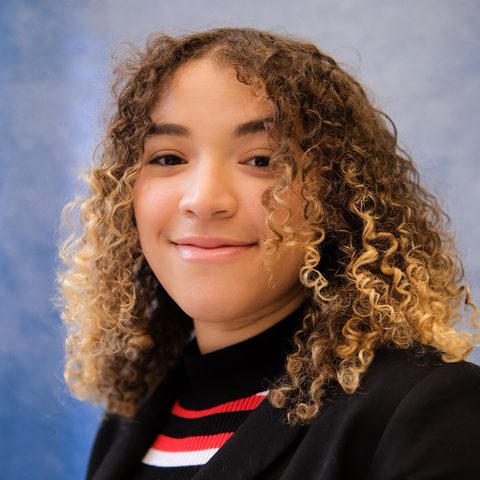
Aaliyah Adkins
Earthjustice

Aaron Menenberg
Renewable Northwest

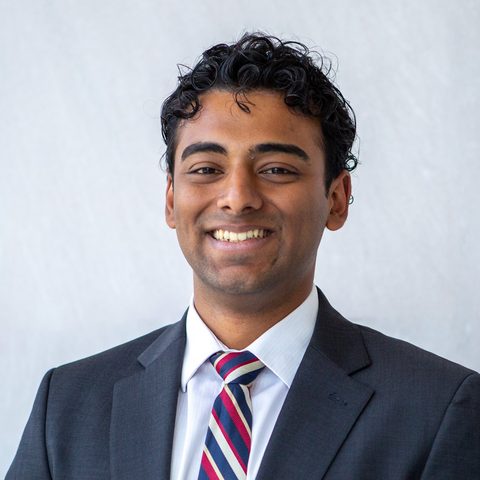
Abhinav Subramaniam
Center for Strategic and International Studies, Energy Security and Climate Change Program


Abigail Randall
NYSERDA

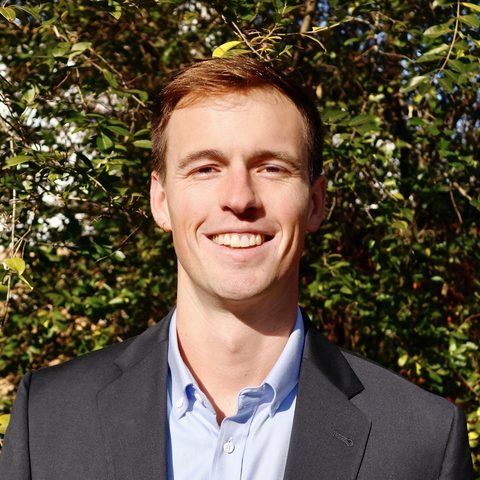
Adam Cowie-Haskell
Bipartisan Policy Center
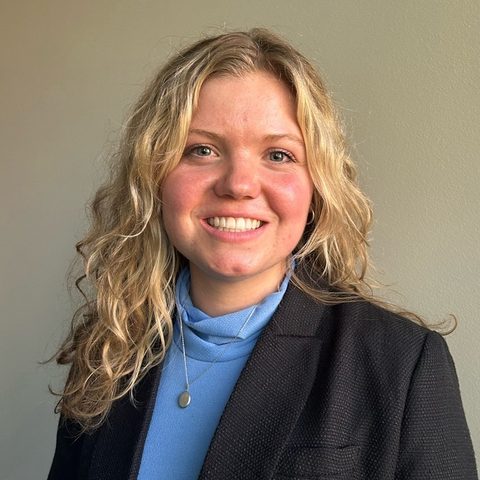
Addy Smith
Federation of American Scientists (FAS)


Camille Norton
National Association of State Energy Officials
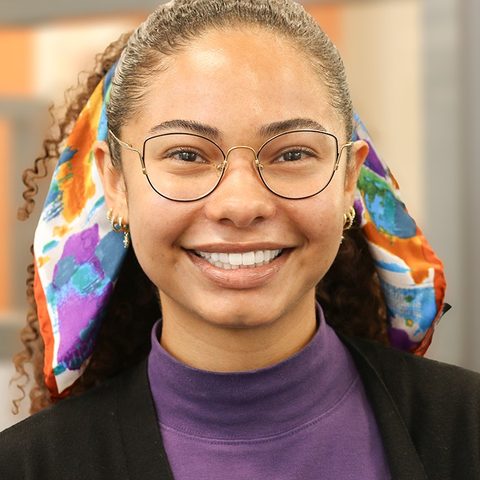
Claudia Partridge
Fresh Energy

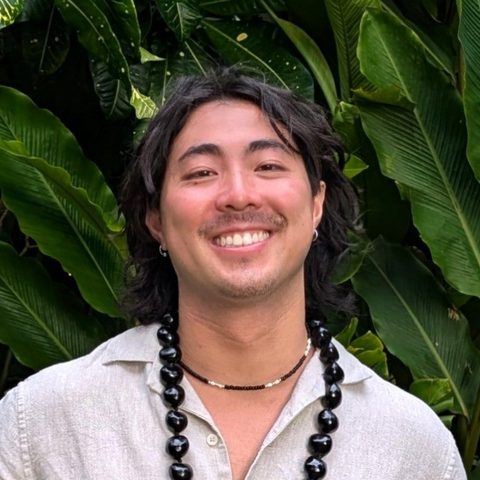
Clinton (Clint) Chan
California Public Utilities Commission

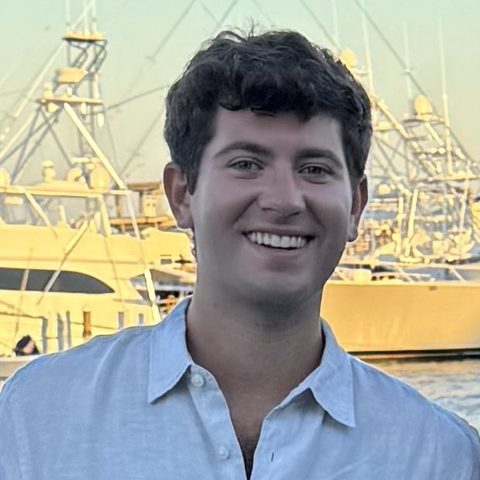
Daniel Livingston
Regulatory Assistance Project (RAP)

Danish Jamal
Grid Strategies

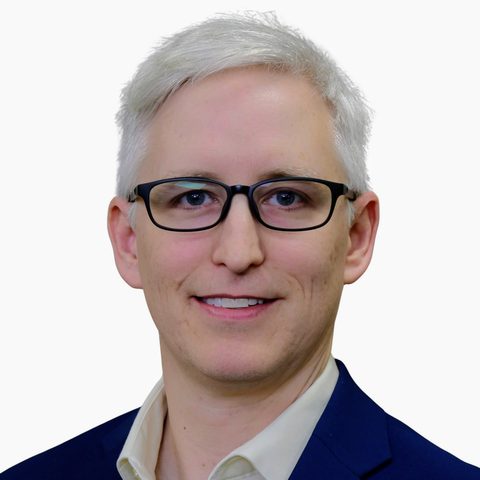
David Coffey
New Mexico Renewable Energy Transmission Authority
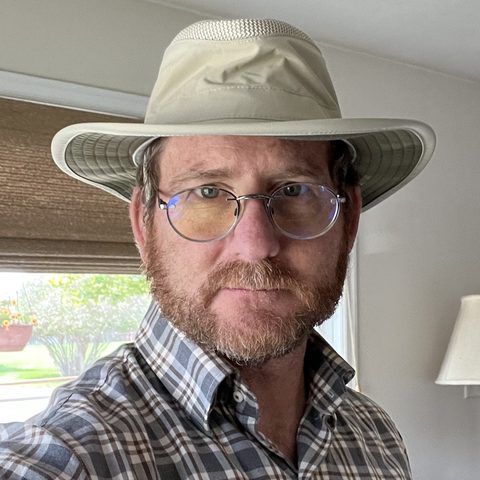
Derek Goldman
NW Energy Coalition (NWEC)
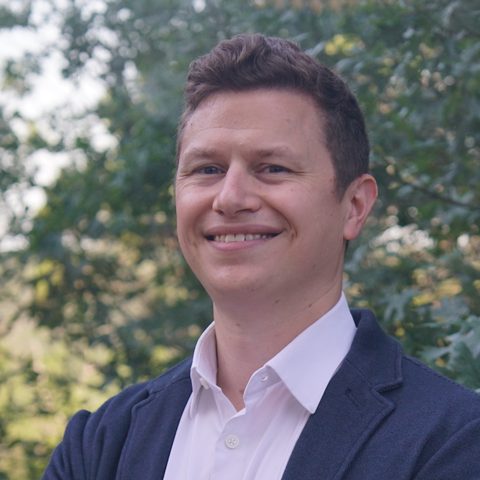
Douglas Pietrucha
Advanced Energy United

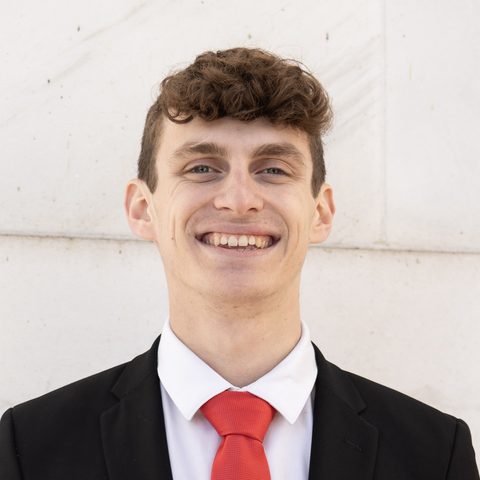
Dylan Maxik
Conservative Coalition for Climate Solutions (C3 Solutions)


Dylan Taylor
RMI

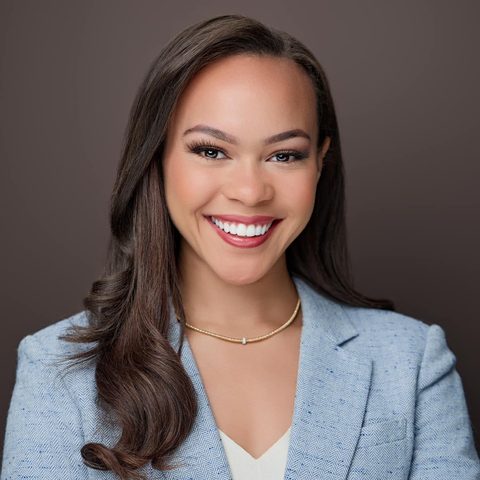
Ebony Mitchell
Arkansas Advanced Energy Association
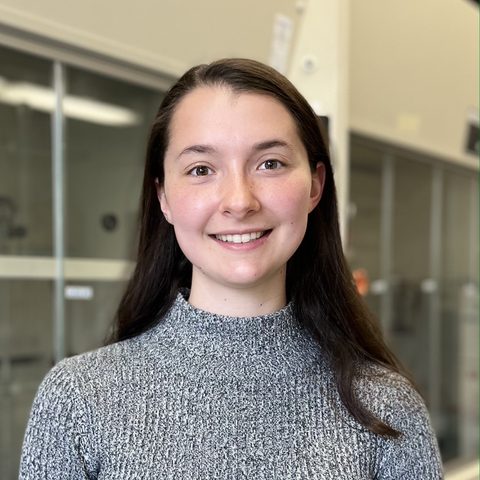
Emilie Lozier
Citizens Utility Board of Illinois

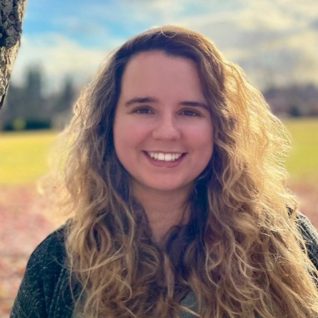
Emily Odgers
National Caucus of Environmental Legislators
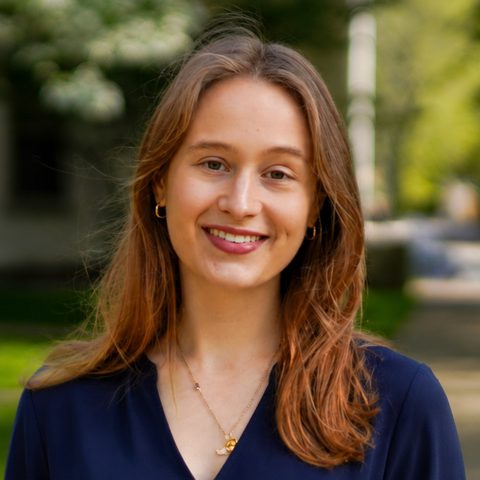
Eva Kappas
Grid Strategies / WATT Coalition

Ingrid Izaguirre
Climate Solutions Foundation
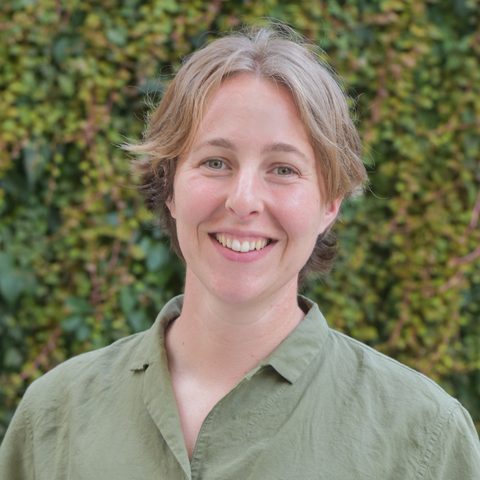
James Hauser
Southern Alliance for Clean Energy

Jeanne Currie
Clean Energy Transition Institute


Kahlida Lloyd
Environmental Defense Fund

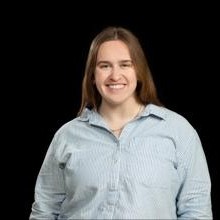
Kathryn Kenney
RMI
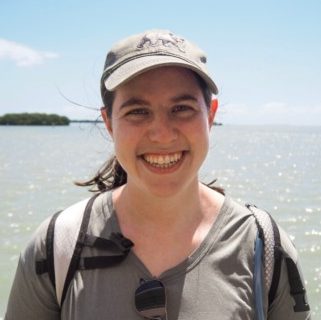
Kelsey Landau
Clean Air Task Force

Kelt Wilska
Grid Strategies
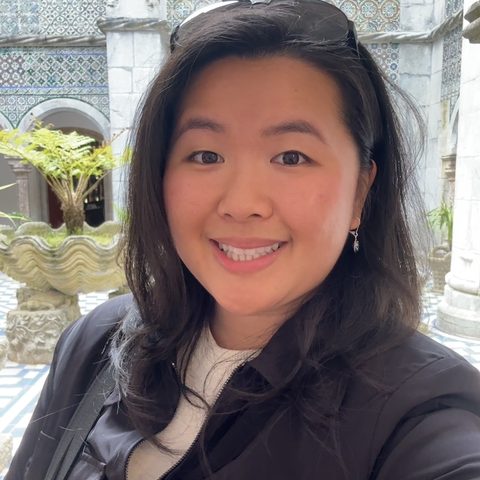
Kyra Ngai
GridLab


Lindsey Mayer
Utah Office of Energy Development
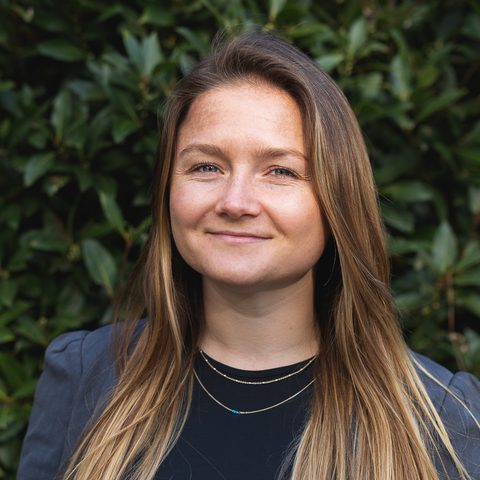
Maeve Allsup
Latitude Media

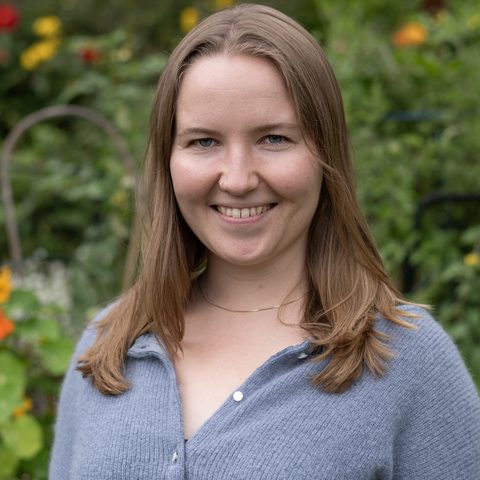
Maya Gillett
The Nature Conservancy


Maya Zuk
SAFE

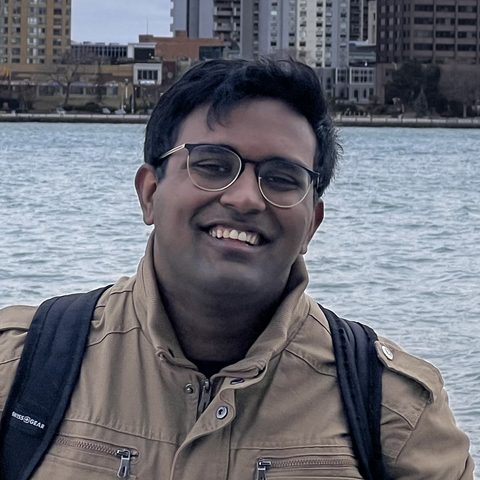
Mayukh Datta
National Laboratory of the Rockies

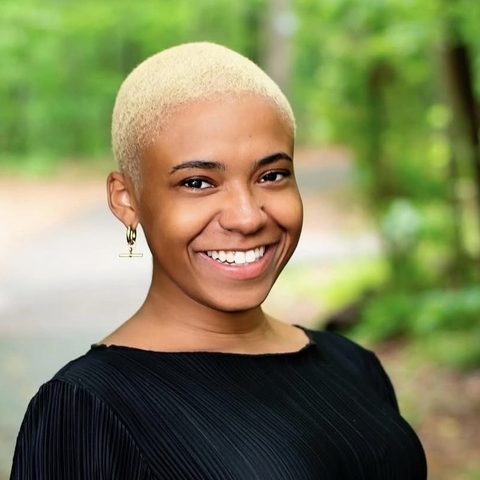
McKenna Dunbar
The Grid Foundry

Meaghan Gade
National Audubon Society


Meg Yoder
RMI

Mia Beams
Council on Foreign Relations and Emerald AI

Misty Earisman
Gridworks
Nick Brooke
RMI
Nick Fitzmaurice
Montana Environmental Information Center

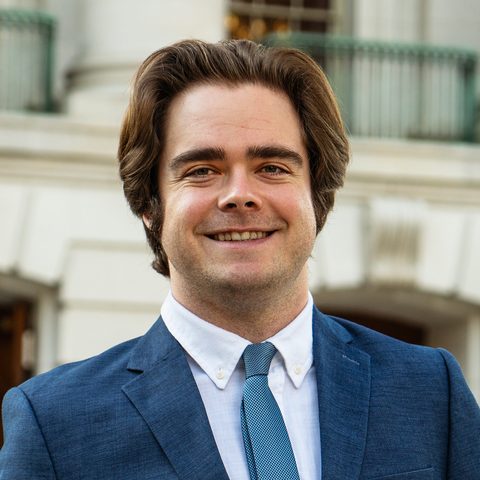
Noah Mitchell-Ward
AES Renewables & Power

Peter Kolanowski
Climate XChange


Robbie Gordon
Environmental Defense Fund
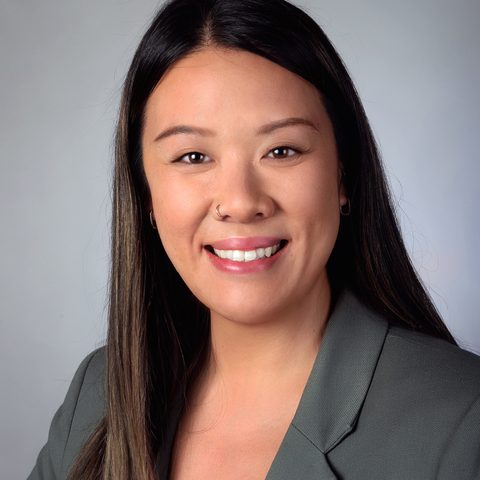
Samantha (Sammi) Kao
New Mexico Renewable Energy Transmission Authority
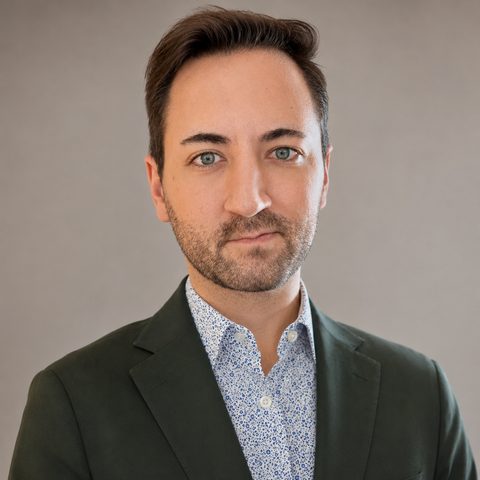
Samuel Overly
Conservative Energy Network

Sarah Mooradian
CURE

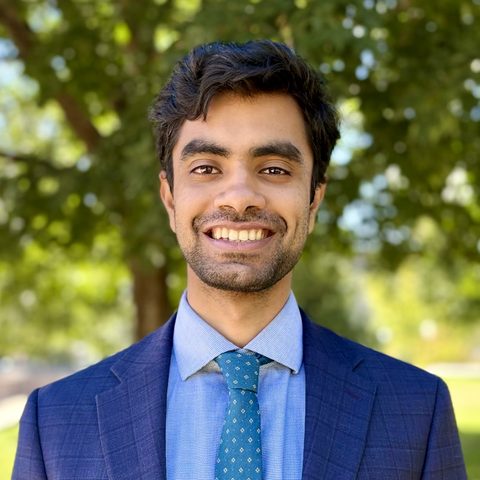
Shourya Jain
Office of Rep. Kevin Mullin
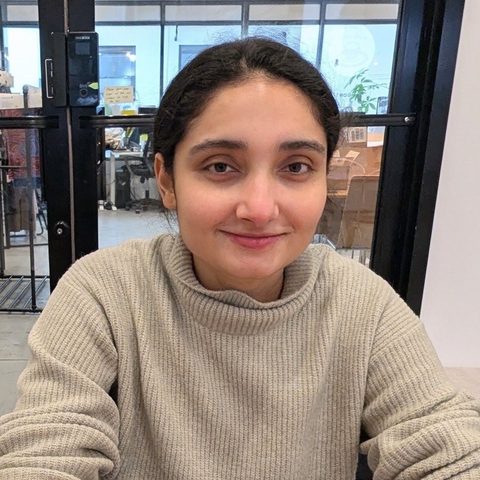
Shriya Pai
National Wildlife Federation


Sital Sathia
Union of Concerned Scientists

Skyler Liu
Harvard University
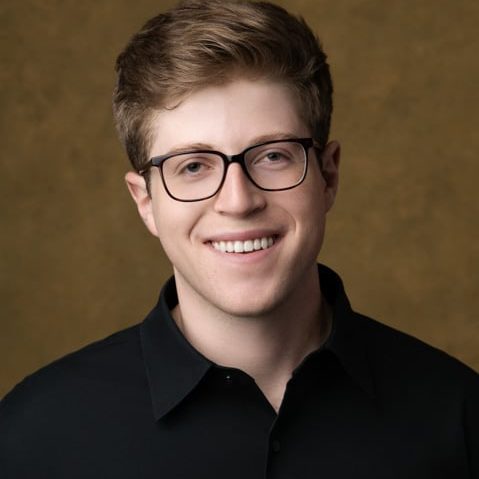
Tobias Russell
Pacific Legal Foundation
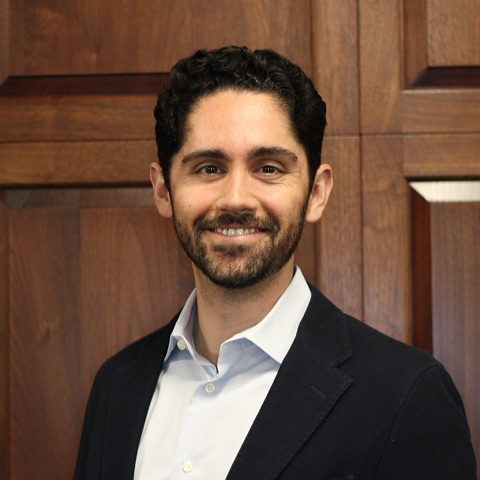
Graham Turk
Connecticut Public Utilities Regulatory Authority
Contact Us
For more information about being a training partner, training existing staff, or being part of the mentorship network contact: Transmissionfellowship@rmi.org
Learn more about the need for electric transmission:
Help build the clean energy future. Donate today.
Independent research. Real-world solutions. Supported by donors.
RMI can pursue the highest-impact climate and energy solutions because we’re supported by people who believe change is possible. Every gift helps advance the work needed to make clean energy the default choice worldwide.
For other ways to give to RMI, including checks or gifts of stock, please visit Other Ways to Give.