Project Objective
– Identify priority opportunities for use of distributed energy resources and non-wires alternativesrn- Identify regulatory process to enable non-wire alternatives within regulated cost-of-service context
Team Members
rn
- Leslie Sibert: Southern Company; VP of Grid Edge Technology and Development
rn
- Andrew Ingram: Southern Company; Research Engineer
rn
- Rob Harris: PowerSecure; Chief Technology Officer
rn
- Ben Edgar: Black & Veatch; Business Development Manager: DER & Microgrids
rn
- Mike Bush: Southern Company; Retail Generation Development Manager
rn
- Howard Smith: Southern Company; Marketing Manager
rn
- Ivan Urlaub: North Carolina Sustainable Energy Association; Executive Director
rn
Southern Company is interested in collaborating with customers, developers, and vendors on providing solutions to grid issues that include distributed energy resources (DER) and other new technologies. There are a variety of grid issues that can be solved using non-wire alternative methods. Energy storage can assist with the integration of DER, providing precise power input for a customer’s load, or deferring expensive grid upgrades. Microgrids can provide resiliency to critical customers or isolated communities. New power electronics can make distribution and transmission systems more flexible and resilient.Southern Company would like to draw up a blueprint, adaptable to our separate electrical operating companies, on how to recover costs for these various non-wired improvements to the grid. Southern’s operating companies would then decide whether to take the blueprint, or parts of it, adapt it their particular regulatory environment, and take it to their respective regulators for approval.
Southern Company has explored issues through internal conversations, but has not yet established a regulatory process for non-wires alternatives.
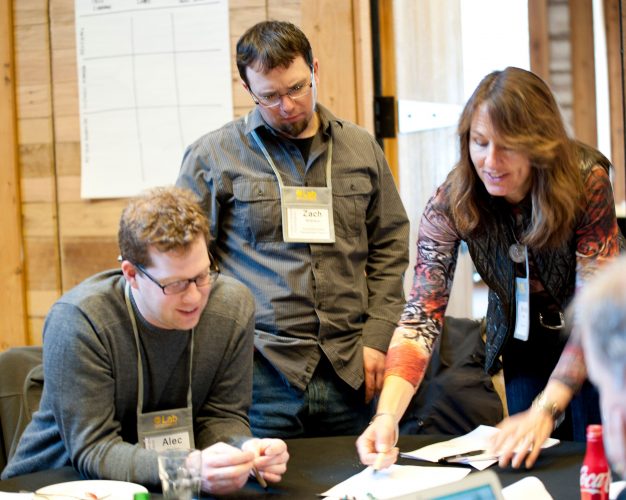
At Accelerator, the team first aligned on key issues, terms, and challenges with respect to the use of non-traditional planning solutions in Southern Company regulated service territories. The team recognized the importance of first convincing internal stakeholders at Southern Company of the importance of non-wires alternatives and distributed energy resources in corporate strategy. Once the team was aligned on major issues, it began writing a draft position statement, proposing an updated Southern Company approach to non-wires alternatives.
Help build the clean energy future. Donate today.
Independent research. Real-world solutions. Supported by donors.
RMI can pursue the highest-impact climate and energy solutions because we’re supported by people who believe change is possible. Every gift helps advance the work needed to make clean energy the default choice worldwide.
And right now, your impact goes twice as far. Thanks to generous donors and our special match, every $1 you give becomes $2, up to $150,000, through December 31, 2026.